
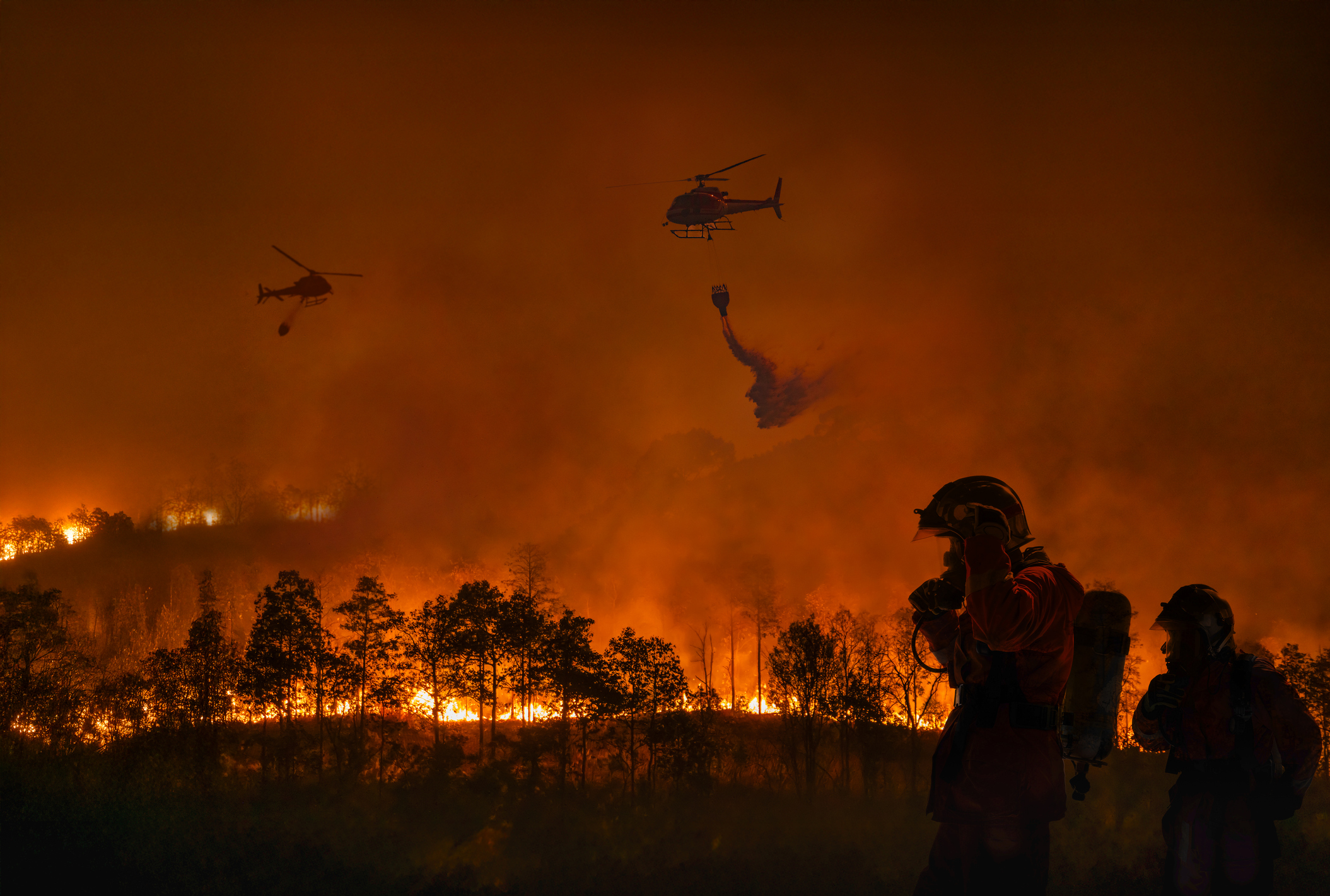
A campaign fire is a massive wildfire that is so dangerous it requires a large coordinated firefighting effort, significant investment of resources, and an extended period of time to put out. It can take weeks to suppress and fully extinguish a campaign fire.
The team at Danko Meredith would like to define what campaign fires are and how they’re different from other kinds of fire terminology you’ve probably heard in recent years. We’ll also explore what causes campaign fires and factors that can make these kinds of fires more likely and more difficult to contain.
If you’ve been affected by a major wildfire in California, the lawyers at Danko Meredith can help you. To request a free consultation, contact our Bay Area law firm today. You can also call us at (650) 453-3600.
Understanding the Basics of Campaign Fires
Campaign fires get their name because the amount of planning and coordination to fight such a large fire can resemble a military campaign.
For a campaign fire, multiple ground crews are often necessary, rotating shifts day and night to help combat fires, create fire breaks and firelines, and ensure smoldering embers are fully extinguished.
In addition to ground crews, smokejumpers may have to parachute into remote terrain to spearhead the initial fire suppression efforts. This elite group of firefighters is essential for creating firelines in wildlands that normal ground crews cannot reach.
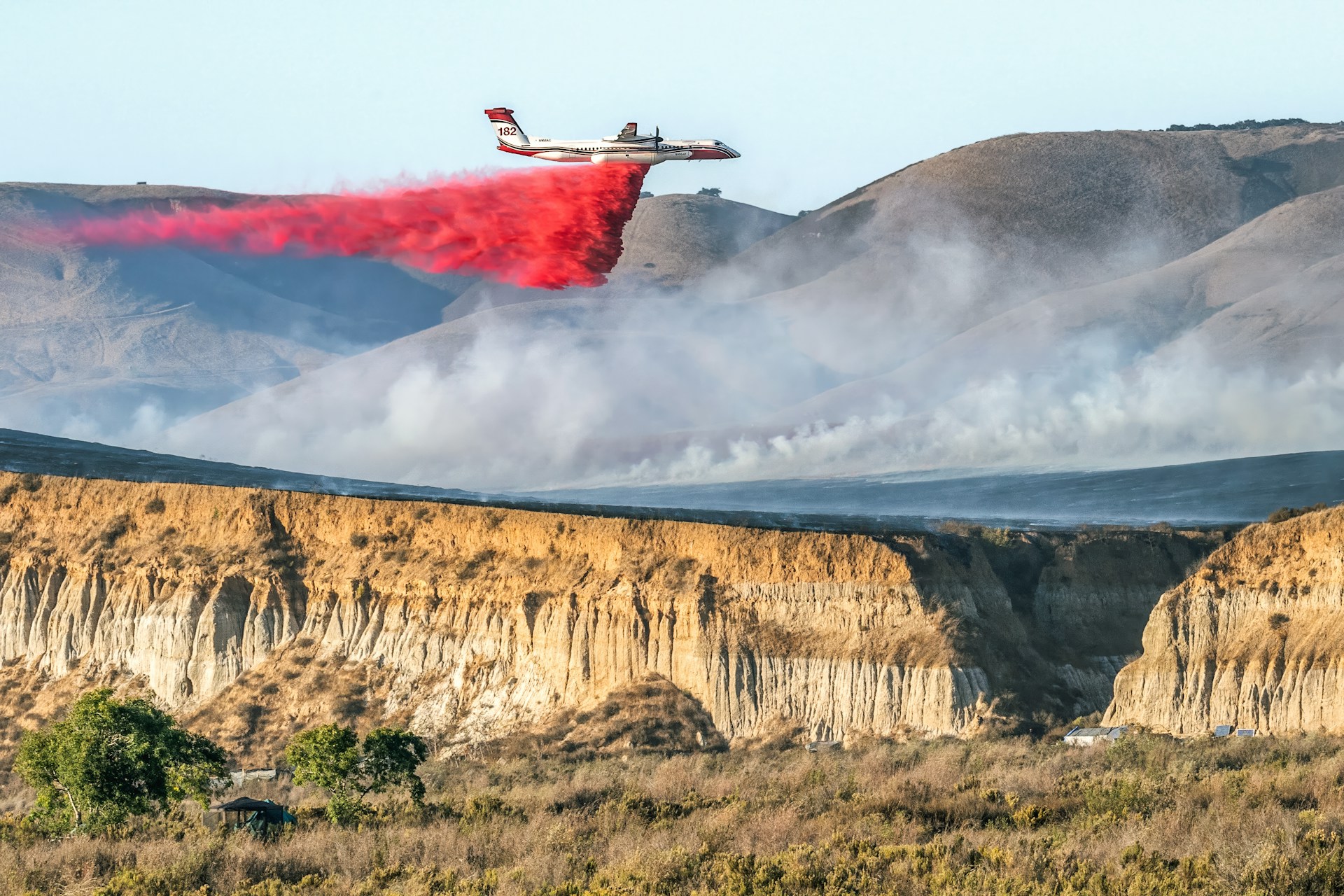
The ground crews and smokejumpers are then aided by aerial support, which includes water bombers, helicopters, and planes dumping flame retardant. At the beginning of this year, Reuters put out a detailed report on the different aircraft used by the California Department of Forestry and Fire Protection (CAL FIRE) to fight the Greater Los Angeles Wildfires of 2025.
Campaign Fires and Incident Management Teams (IMT)
Campaign firefighting efforts need to be carefully coordinated. A typical forest fire is usually handled by local fire departments or regional fire agencies. Campaign fires are so large and complicated that state and federal Incident Management Teams (IMT) are called in to help with logistics and the larger coordination effort.
Work by local fire authorities in conjunction with a high-level IMT helps prevent the forest fire from spreading and protects nearby homes, businesses, and infrastructure endangered by the fire.
What Causes Campaign Fires?
Since campaign fires are characterized by firefighting coordination efforts rather than the nature of the fire, they share the same causes of California wildfires:
- Lightning Strikes:Lightning wildfires are a natural disaster, and they can cause massive campaign fires and complex fires. This is common when there are dry thunderstorms, which are storms that produce a lot of thunder and lightning but very little rain.
- Out-of-Control Man-Made Fires: People may start a campfire that grows too large, or sometimes a signal fire if they are lost. These out-of-control fires can cause massive wildfires that take weeks to extinguish.
- Zombie Fires/Holdover Fires: Also known as a re-ignition fire, zombie fires are wildfires that officials thought they had put out, but there’s actually a smoldering ember or hidden hotspot remaining. All it takes is a heavy wind or the presence of combustible fuel to start a holdover fire.
- Fireworks and Firearms: Setting off fireworks or shooting a gun can potentially cause a massive wildfire if there’s dry brush or vegetation nearby. This is why authorities issue warnings about gunfire and fireworks around the Fourth of July and New Year’s Eve.
- Arson: Intentionally set fires can cause massive wildfires that destroy entire communities. In recent months, authorities have learned that the initial fire that sparked the Los Angeles wildfires of 2025 was caused by an arsonist.
- Negligence by Companies: Companies that act negligently can potentially cause massive wildfires. This is particularly true of utility companies. We’ll explore this more in a moment.
Factors That Make Campaign Fires More Likely
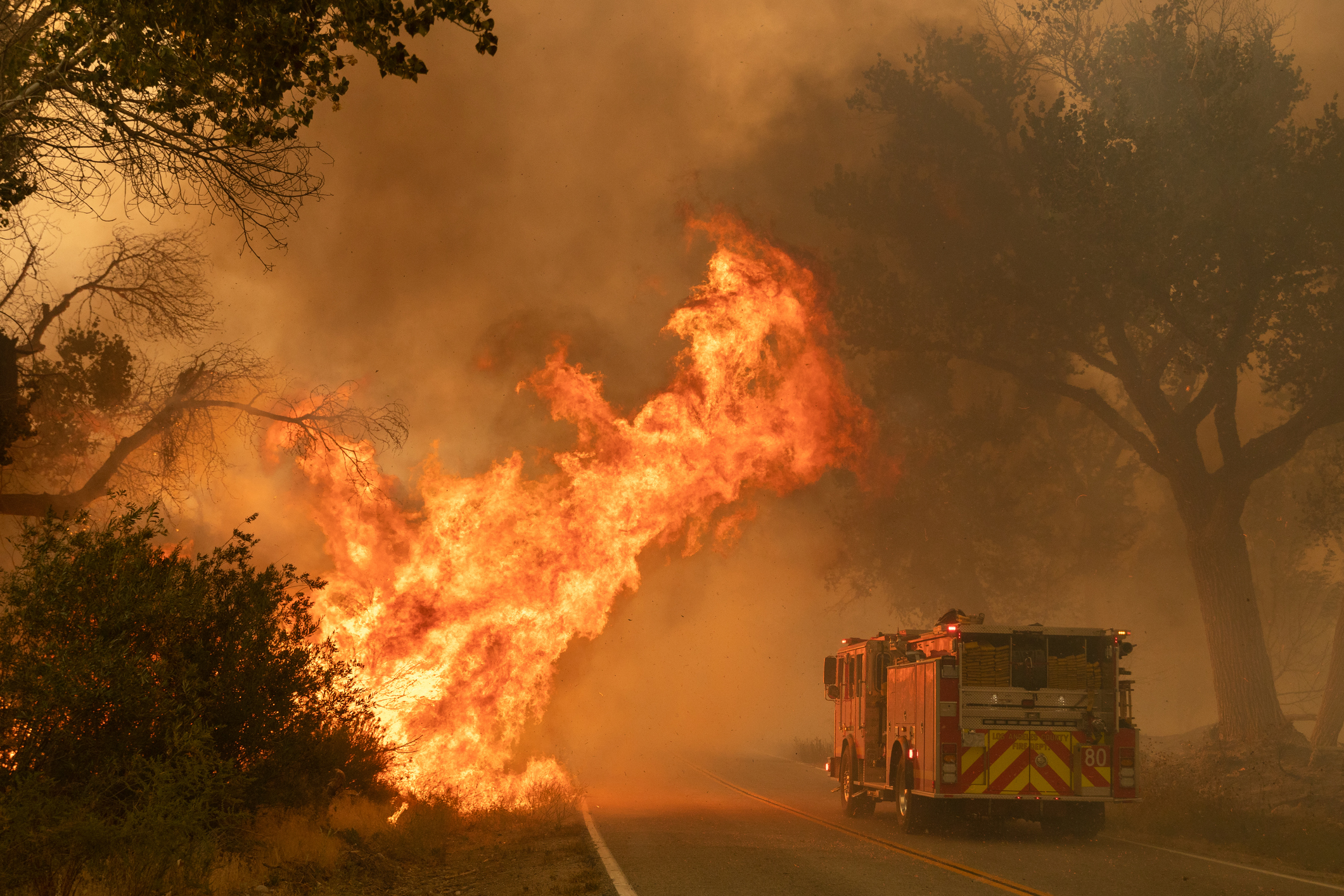
There are certain aspects of California’s climate and terrain that increase the risk of these types of wildfires. Here are just a few factors that affect how wildfires spread and that make campaign fires more likely:
- Dry and Hot Weather: Dry and hot weather provide fuel for a fire and can increase the intensity of a wildfire. California’s frequent cycles of heavy rain, extended dry season, and drought create ample fuel sources.
- Strong Winds: Strong winds fan flames and spread burning embers. In Southern California, the Santa Ana winds can spread fires and increase their intensity. In Northern California, the same can be said of the Diablo winds.
- Difficult or Inaccessible Terrain: Many wildfires start in remote areas that are hard to reach by roads or trails. This can make it difficult for ground crews to extinguish flames and prevent the fire from growing.
- Climate Change: Because of climate change, we are currently seeing extreme weather and the consequences it can have on communities here in California and other parts of the world.
What’s the Difference Between a Campaign Fire and a Complex Fire?
You may have heard the terms “campaign fire” and “complex fire” while watching wildfire news coverage. There’s some overlap, but they’re technically different. Here’s a way to think of these terms in relation to one another:
- A campaign fire refers to a single massive wildfire that requires intensive human coordination to put out.
- A complex fire is two or more separate fires in an area that are grouped together so firefighters can manage containment efforts as if they were fighting a single fire.
What’s the Difference Between a Campaign Fire and a Megafire?
Similarly, you may have heard “campaign fire” and “megafire” in reports on California’s growing wildfire dangers. Here’s a way to think about these terms in relation to one another:
- A campaign fire is characterized by the size of the management effort and the length of time needed to extinguish the fire.
- A megafire is characterized by the size and intensity of the fire itself. Megafires usually destroy 100,000 acres or more.
How Dangerous Are Campaign Fires?
Campaign fires are extremely dangerous since they can take a long time to put out. When we previously explored where wildfires are likely to happen, we mentioned how many California homes and businesses are built in the wildland-urban interface (WUI). A campaign fire can spread from a relatively remote forest area into a nearby population center, causing the loss of homes, businesses, and lives.
In addition to fire damage, campaign fires negatively affect air quality for an extended period of time. Even when local residents evacuate their homes, they may have to contend with respiratory problems caused by inhaling smoke, carcinogens, and particulate matter released by a wildfire.
Can I Sue If I Lost My Home or Business in a Campaign Fire?
Potentially, yes. If the campaign fire was caused by a negligent business (such as a utility company), that company may be held liable for causing the fire or contributing to the severity of the fire.
In a legal action, wildfire survivors can seek compensation for property damage, loss of a business, lost income due to the fire, burn injuries, and illnesses related to smoke inhalation. If a loved one loses their life in a wildfire, surviving family members may be able to file a wrongful death lawsuit for damages.
Among the many things you should do after a wildfire, you should speak with a lawyer about what you experienced and whether you are eligible to seek compensation.
Utility Company Negligence in Massive Wildfires
A number of notable California wildfires in recent years have been caused by negligent utility companies. In these situations, Pacific Gas & Electric (PG&E), Southern California Edison (SCE), and San Diego Gas & Electric (SDG&E) have failed to prevent wildfires from starting. And many times, this is because the utilities put profits over people.
Common Causes of Utility Wildfires
At Danko Meredith, our experienced wildfire lawyers in California have seen this tragedy multiple times in the last decade. There are a few recurring causes of utility wildfires:
- Utility companies fail to repair or maintain their equipment
- Utility companies improperly install pipelines or power lines
- Utility companies fail to keep trees and tree limbs clear from power lines
- Utility companies fail to turn off power lines during high winds
- Utility companies hire negligent contractors who do substandard work
Many of these causes exemplify the “run-to-failure” mentality of many utilities. This means that utility companies think it’s more cost-effective to allow their equipment to break down than to do regular maintenance and repairs.
In all of these situations, the utility company can be held responsible for failing to protect people in devastated communities.
Examples of Major Utility Wildfires in California
Utility companies have caused wildfires in Oregon, Hawaii, and other states. Below are just four of the notable utility wildfires that occurred in California in the last decade.
- The Eaton Fire (2025): The Eaton Fire destroyed more than 9,400 structures and claimed at least 19 lives. It’s believed that this fire was caused by a decades-old transmission tower and power line that was re-energized in the canyons above Altadena.
- The Dixie Fire (2021): The Dixie Fire burned more than 960,000 acres in the Sierra Nevada mountain range. It was caused by a fire tree that made contact with a power line.
- The Camp Fire (2018): The Camp Fire destroyed more than 15,000 homes and claimed 84 lives. This fire is probably known to most people because it destroyed most of the town of Paradise and its adjacent communities. The fire was caused by a poorly maintained transmission power line.
- The Butte Fire (2015): The Butte Fire burned more than 70,000 acres and destroyed hundreds of homes in Amador County and Calaveras County. It was caused by a tree that was leaning up against a power line.

Why Choose Danko Meredith for Your Wildfire Lawsuit
Danko Meredith has a history of fighting for regular Californians and leveling the playing field against corporations and powerful interests. If you’ve lost your home, business, or a member of your family because of negligence by PG&E, SCE, or SDG&E, our Bay Area wildfire attorneys are here to help.
Our law firm has a track record of fighting utility companies and winning. Utilities know who our lawyers are and our reputation for fighting. They know we have the experience and the resources to see a case through without backing down and settling for less.
Years of Experience Taking on Utility Companies
At Danko Meredith, our lawyers have more than 120 years of combined legal experience. This includes many years of taking on PG&E, SoCal Edison, SDG&E, and other utilities.
We’ve secured settlements for victims of the 2010 PG&E pipeline explosion in San Bruno. Our attorneys have also helped take on Hawaiian Electric for its role in the 2023 Maui wildfires in Lahaina. Our lawyers know how to investigate wildfire cases, what evidence to look for, and how to present your story in a compelling way that’s backed by that evidence.
A Strong Record of Success
We encourage everyone to look through our proud record of past case results. It’s full of eight-figure and seven-figure outcomes.
How have we managed such a strong success rate? It’s our experience and our resources. A lot of law firms look to settle because court cases are drawn out and expensive. Danko Meredith will not settle for less than what a case is truly worth. We put our resources into an extensive investigation into your case, and we can hire some of the best expert witnesses in the country. If we need to, we will go to trial.
You Pay Nothing Unless We Win
If a massive wildfire has destroyed your home, ruined your livelihood, or taken the life of a family member, the last thing you want to see is another bill. That’s why Danko Meredith offers free consultations as well as representation on a contingency fee basis.
Simply put: our clients pay us nothing unless we win.
Our lawyers are here to support you against the utility companies and secure as much compensation as possible to account for your pain, suffering, and other wildfire-related losses.
Contact the California Wildfire Lawyers of Danko Meredith
If your family was affected by a massive California wildfire caused by a utility company, the team at Danko Meredith is ready to fight for you. We have the experience and resources necessary to go toe-to-toe with investor-owned utility companies.
For a free case evaluation, contact our Bay Area law firm today. You can also reach our Redwood City law office by phone at (650) 453-3600.