
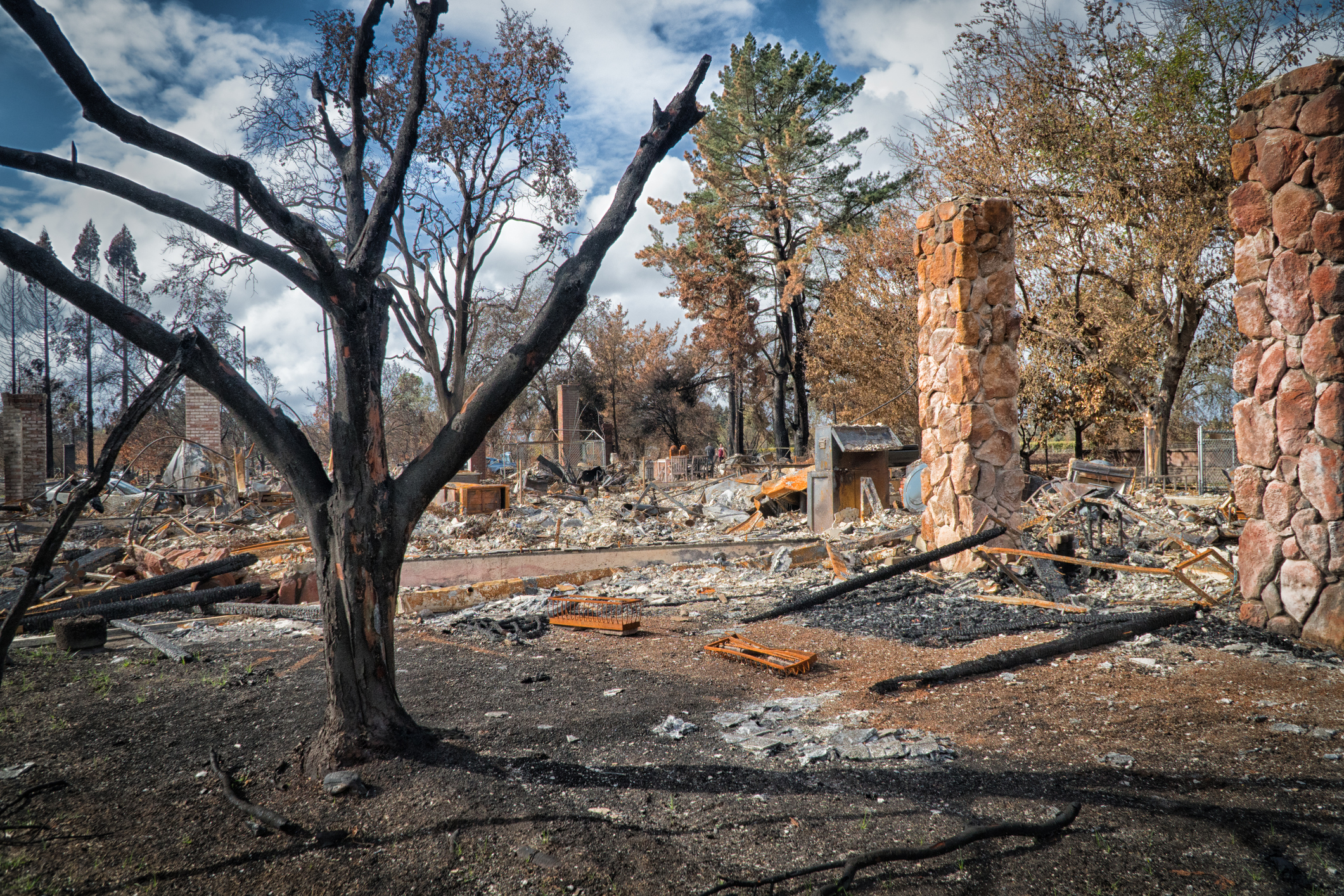
After a wildfire, it’s important that you follow instructions from fire officials. Once they give you the all clear to return home, do so cautiously and during daylight hours. Wearing eye protection, an N95 mask or respirator, and long sleeves, inspect your property for any structural damage or lingering hotspots from the fire. But this just covers the basics of what to do after a wildfire.
The team at Danko Meredith previously explored what to do if you’re in a wildfire-prone area. We want to take a bit more time looking at the aftermath of a wildfire, what you may experience, and how a good lawyer can help seek compensation for fires caused by negligent utility companies.
Read on to learn about the 12 things you should do after a wildfire. If you’d like to request a free consultation with a wildfire legal team that has over 120 years of combined experience, contact our Bay Area law firm today. You can also reach our California wildfire attorneys by phone at (650) 453-3600.
1. Monitor News and Air Quality Reports While Evacuated
After you’ve been safely evacuated, you can check with CAL FIRE for updates on how the fire has spread and if it’s being contained. This information can also be found through local news sources on the internet, TV, and radio.
We also recommend monitoring the Air Quality Index (AQI) through local news and weather outlets or via the U.S. Air Quality Index. Wear an N95 face mask and/or use an air purifier if the local air quality is poor.
2. Wait for Authorities to Say You Can Return Home
Do not return home until fire authorities say that you can do so. We know how anxious you may feel about the state of your house and the need to assess damage. However, fire authorities want to protect as many people as possible from harm.
It does not matter if you’re in an evacuation center or have fled to a friend or family member’s house outside of the evacuation zone. Returning home prematurely could endanger you and your loved ones and interfere with fire containment efforts.
3. Return to Your Home During Daylight Hours
You may be ready to head home as soon as fire authorities say things are safe. However, you will want to wait until it’s daylight to make your way back home. Returning home when it’s light outside will help you while driving and while at your property.
Again, we understand the urgency of what you’re feeling, but be patient and prudent in order to keep you and your loved ones safe.
4. Drive Slowly and Cautiously Back to Your Neighborhood
During a major firestorm, there may be a lot of debris in the road. This includes downed power lines, broken utility poles, abandoned vehicles, and all sorts of obstacles. There may also be numerous people trying to return to the neighborhood at the same time.
Drive defensively and slowly on the way back home. You may also want to turn on your headlights or fog lights if there is any lingering smoke in the area that affects visibility.
5. Carefully Inspect the Outside of Your Property Before Going In
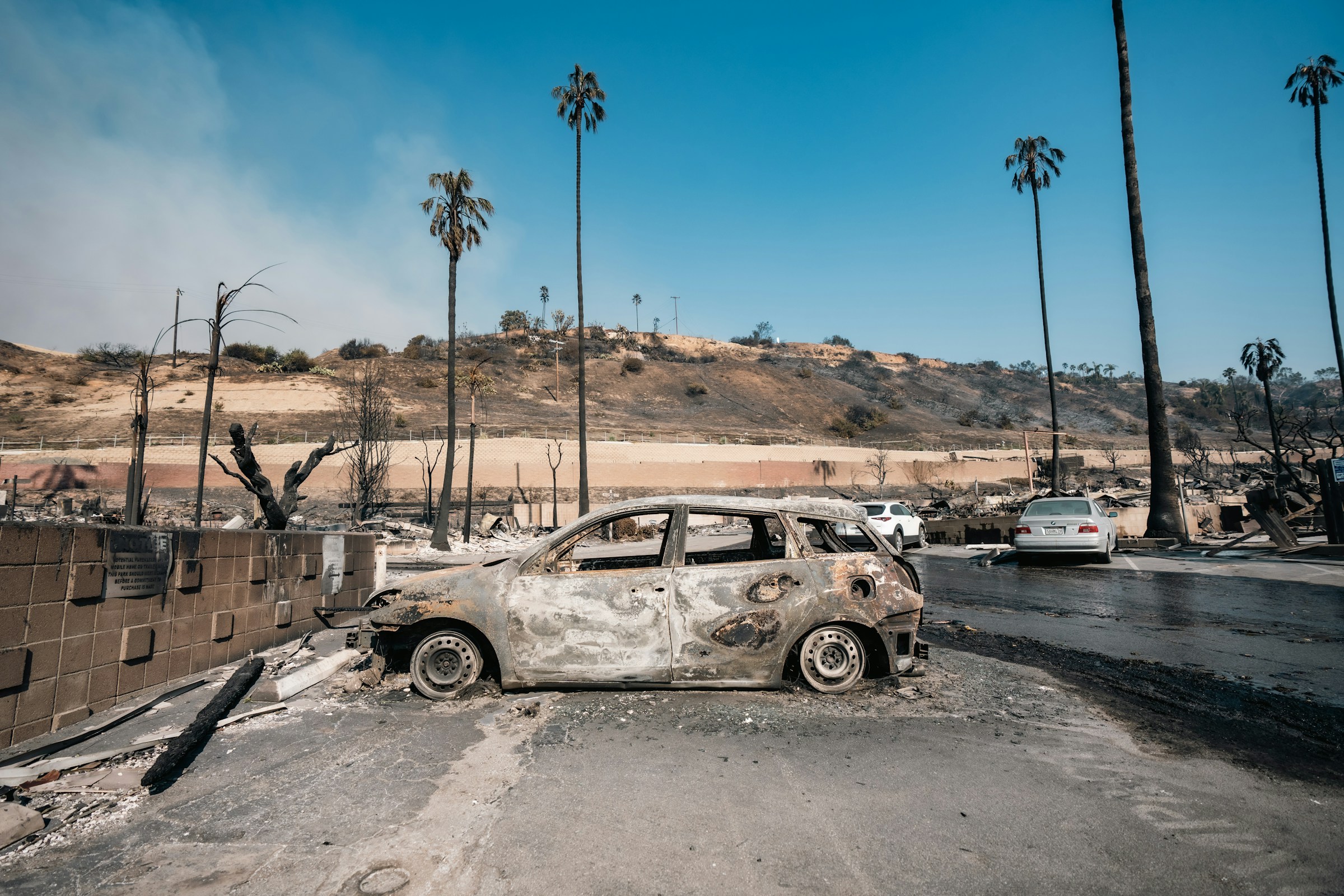
Once you’re home, check the exterior and perimeter of your property before you go inside. Be on the lookout for any remaining fires, embers, smoldering hot spots, and burning tree stumps or vegetation. If you are able to extinguish these yourself, do so with water. If not, be sure to alert firefighters immediately.
In addition to fires, also look for signs of structural damage to your home. Sniff for natural gas and listen for any hissing or odd sounds that could alert you to danger. If your house does not seem structurally sound or safe to enter, avoid going inside and call 911 for help.
6. Use Caution While Entering and Inspecting the Inside of Your Home
Exercise caution while entering your home. Bring a flashlight and be sure to inspect for hotspots, embers, or active fires in different parts of your home.
Be sure to wear protective clothing while you head into your home. This will help avoid respiratory illness, eye irritation, and other issues related to smoke, soot, and other substances released by a fire. We recommend:
- An N95 mask or respirator mask
- Goggles or eye protection
- Work gloves
- Long sleeves
- Work pants
- Sturdy boots
7. Document Wildfire Damage for Your Insurance Company
When we previously provided some wildfire preparedness tips, we mentioned doing an initial walkthrough video of your home before evacuating. As you inspect your home, take some videos of the exterior of the house as well as any property damaged within your home.
Many clients ask us, “Will my insurance cover wildfire damage?” The answer is yes, and having this before-and-after video evidence will provide proof of your belongings and what property was damaged by the heat, flames, and smoke from the wildfire.
8. Discard All Exposed Food Items and Fire-Damaged Items
Any exposed food could be affected by smoke, flames, contaminated water, and firefighting foams, gels, or retardants that may have gotten into your home. To avoid illness, throw away any unpackaged foods that have been exposed to the wildfire or any firefighting efforts.
In addition to food, look through your home for any pillows, blankets, stuffed animals, and clothing that’s been damaged by the fire or firefighting efforts. These items should also be thrown away for safety.
9. Avoid Drinking Tap Water Until Authorities Say It’s Safe
During a wildfire, municipal water supplies can be adversely affected by smoke, ash, chemicals, and other contaminants in the air. Avoid drinking tap water from your home until local authorities say it is safe to do so.
Only drink bottled water or water that you had with you from a safe source while you are inspecting your home immediately after a fire.
10. Reach Out to Local Friends and Neighbors Affected by the Fire
As your friends and neighbors return to your neighborhood, check in with them and find out how they are doing. Some of your neighbors may need a place to stay because their home is structurally unsound, or they could borrow a flashlight before they head in.
This is another good opportunity to see if the people near you have the supplies they need, if elderly neighbors need assistance, and if there are additional resources in the area to aid in wildfire recovery.
11. Check in Emotionally and Seek Counseling If Needed
Surviving a wildfire or any sort of disaster can be traumatic. You’ve likely spent a lot of time on edge during a fire evacuation, predominantly concerned about your children, your family, and your future.
When you have a moment, check in with yourself mentally. You can also speak with a spouse, relative, or confidante about what you’re feeling and what you’ve gone through. You can also reach out to the 24/7 Disaster Distress Helpline (DDH), which is run by the Substance Abuse and Mental Health Services Administration (SAMHSA).
12. Discuss What Happened with a California Wildfire Attorney
A number of major wildfires in recent years have been the result of utility company negligence. By speaking with California wildfire attorneys, you can seek compensation for any damage to your home, business, livelihood, and quality of life. The team here at Danko Meredith can hold Pacific Gas & Electric (PG&E), Southern California Edison (SCE), and San Diego Gas & Electric (SDG&E) accountable.
Find out if you have a case after a major wildfire. Consultations are free and confidential. Our legal team wants to hear your story and help in whatever way we can. To request a free case review, contact Danko Meredith today.
Can I File a Lawsuit After a Wildfire Destroyed My Home or Business?
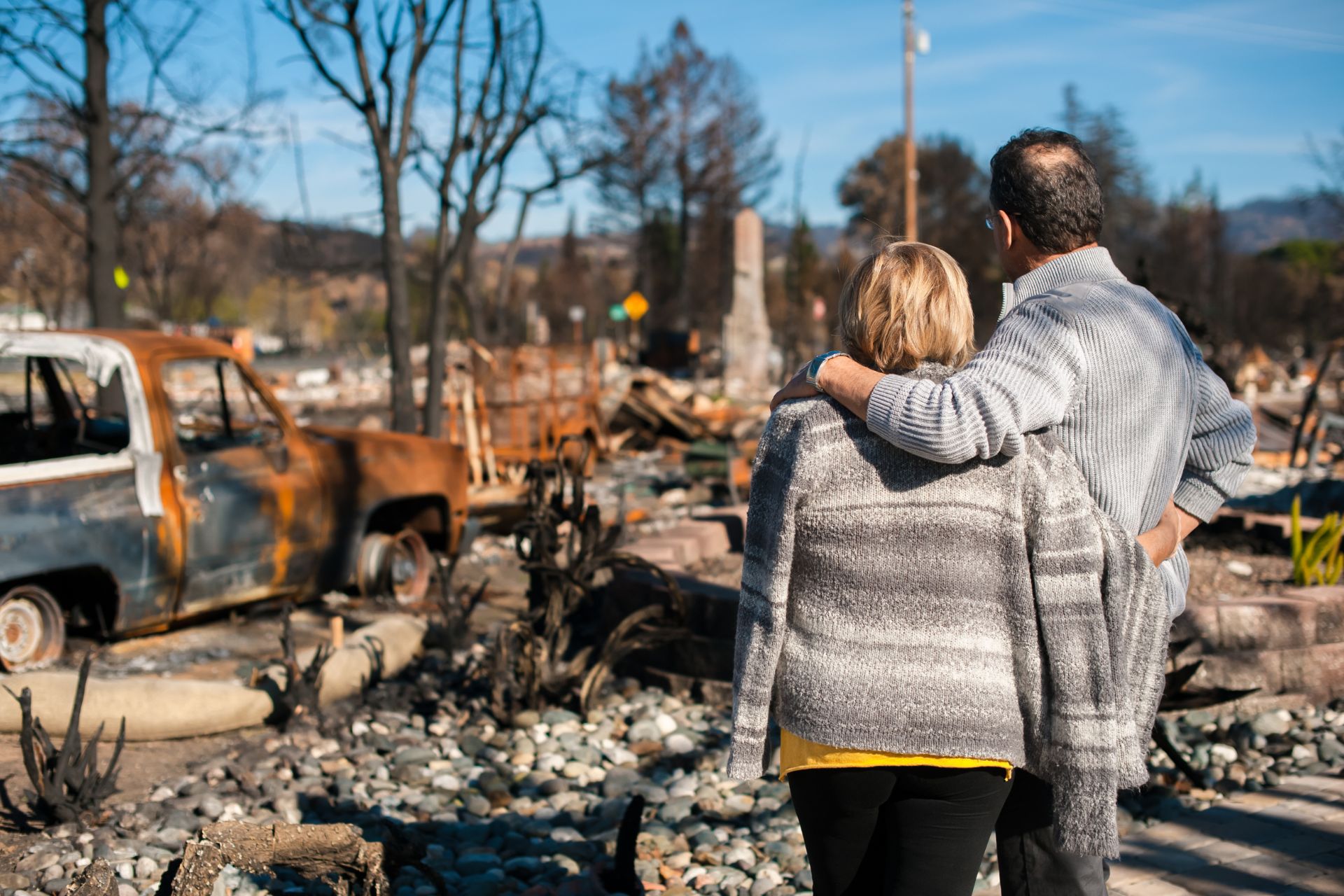
Potentially, yes. You can file a lawsuit for damages if a corporation, public entity, or utility company caused or contributed to a wildfire that damaged your home. The compensation sought can cover the cost of replacing belongings, repairing a house, or medical bills associated with severe burn injuries or smoke inhalation.
Legal Action for Fatalities During a California Wildfire
If you lose a loved one because of serious burns or respiratory illness, you have our deepest condolences. When you’re ready to discuss your legal options, our team can help you file a wrongful death lawsuit. These kinds of cases provide compensation to address the pain and suffering associated with a tragic loss.
Do Not Delay: Take Legal Action as Soon as Possible
Whether you’re suing for injuries, the loss of a family member, or damage to your property, it’s crucial that you speak with an attorney as soon as possible.
Under California state law, you typically have two years to file a personal injury or wrongful death lawsuit related to a wildfire. For property damage claims, you generally have up to three years. Once the statute of limitations has expired, you can no longer take legal action.
There are some exceptions to the deadlines noted above, so it’s best to speak with California wildfire lawyers as soon as you have an opportunity to do so.
What Is a Utility-Caused Wildfire?
We mentioned a bit earlier that many notable wildfires in recent years have been caused by utility companies. This is known as a utility fire or a utility-caused wildfire.
When PG&E, SoCal Edison, and SDG&E make mistakes, regular Californians shouldn’t have to suffer. That’s why our law firm is here to help.
Common Causes of Utility Wildfires
Utility wildfires typically have three major causes:
- Poor Maintenance or Installation of Infrastructure: Utility companies often cut corners, and in the process, they put profits over public safety. Some pipelines or transmission towers may be poorly installed. More often, old utility infrastructure remains in place without maintenance or repairs. Our lawyers call that the “run-to-failure mentality,” which is prevalent with utilities.
- Tree Limbs and Branches Too Close to Power Lines: When tree limbs and branches get too close to power lines, all it takes is a gust of wind for them to make contact. This can cause sparks that lead to a major wildfire.
- Failure to Turn Off Power in Heavy Winds: Utility companies are allowed to shut off power when their power lines are affected by heavy winds. When power companies are not proactive, these lines can make contact with trees, adjacent power lines, and transmission towers, all of which can spark a wildfire.
Recent Examples of Utility Wildfires in California
Some of the most notable utility wildfires in California in recent years include:
- The Eaton Fire (2025): The Eaton Fire was likely caused by a zombie power line in the canyons above Altadena. This old utility infrastructure sparked a fire that killed at least 19 people and destroyed more than 9,400 structures.
- The Dixie Fire (2021): The Dixie Fire was caused by a fir tree making contact with a 12-kilovolt distribution power line. The resulting wildfire burned more than 960,000 acres in the Sierra Nevada.
- The Camp Fire (2018): The Camp Fire was caused by a poorly maintained transmission power line. The resulting wildfire killed 84 people and destroyed 15,000 homes. This fire is notorious for wiping out most of Paradise, CA.
- The Butte Fire (2015): The Butte Fire was caused by a tree that was allowed to lean against a power line. The resulting wildfire burned 70,000 acres, decimating hundreds of homes in Amador County and Calaveras County.

How Danko Meredith Can Help California Wildfire Victims
If you’ve lost your home, business, or a member of your family because of negligence by PG&E, SCE, or SDG&E, Danko Meredith is on your side. Our law firm has some of the most experienced wildfire lawyers in the San Francisco Bay Area working on these cases. Danko Meredith has fought utilities before, and we’ve won on multiple occasions. Those companies know who we are, and they know we don’t back down.
Years of Experience Taking on Utility Companies
The team at Danko Meredith has a track record of taking on utility companies. We’ve secured settlements for victims of the 2010 PG&E pipeline explosion in San Bruno. Our law firm has also helped fight Hawaiian Electric for its role in the 2023 Maui wildfires in Lahaina. Our attorneys know how to investigate these cases, what evidence we need to look for, and how to tell your story in a compelling and evidence-based way.
We Have Helped Many Past Clients Secure Compensation
We encourage you to look through our past verdicts and settlements. Danko Meredith has a strong record of success, and we routinely work on high-value cases. How is our law firm so successful? Well, Danko Meredith has the experience and resources to see cases all the way to trial rather than settling for less than your case is worth. Our reputation also gives us access to some of the best expert witnesses in the country.
You Pay Nothing Unless We Win
Losing a home, a business, or someone you love can be devastating. You have so much to worry about, and the last thing you want is another bill. At Danko Meredith, you pay nothing unless we win. Our law firm is here to support you against the utility companies and secure as much compensation as possible to account for your pain, suffering, and other wildfire-related losses.
Get a Free Consultation with Our Wildfires Attorneys
Danko Meredith is here to level the playing field against greedy and negligent utility companies. We’re prepared to fight back because we know it’s the right thing to do, and because we have the talent and resources to take cases all the way to trial. For a free consultation, contact our Bay Area law firm today. You can also reach our Redwood City law office by phone at (650) 453-3600.