
It’s been nearly a year since the firestorm that decimated parts of Los Angeles. As our Eaton Fire lawyers work with survivors, we often wonder about the potential for wildfires in our own neighborhoods and what we can do to protect ourselves.
We’ve previously provided tips on what to do during a wildfire on our blog. Now we want to put a bit more focus on wildfire preparedness. There are many things you can do to prepare for wildfire season and protect your home or business from the worst of a fire.
Read on for advice on how to prepare for a wildfire. If you’ve lost your home or business because of Southern California Edison (SCE) or another utility company in California, our wildfire attorneys can help. For a free consultation, contact our Bay Area law firm today. You can also call us at (650) 453-3600.
How to Protect Your Home in a Wildfire-Prone Area
We’ve previously listed some places where California wildfires can happen. It turns out that many parts of California are in danger since homes and businesses are often built near grasslands and forests. Drought conditions and heavy winds can send embers flying and potentially cause severe damage.
If you live in a wildfire-prone area, here are a few things you can do to help protect your home before a wildfire has even started.
Protect the Perimeter of Your Home
Many cities throughout California advise homeowners to create a defensible space around the home. This means creating a buffer between any nearby grassland or wildland and your actual house. A few things you can do to create this defensible space include:
- Trimming tree limbs away from your roof and other parts of your home
- Thinning or separating vegetation around your home to prevent the spread of flames
- Landscaping with grass, rocks, or non-combustible mulch around the home
- Removing dry leaves and pine needles from gutters and the ground around the home
Remove Combustibles from Around Your House
You can also create a defensible space around your home by identifying combustible objects around the house. This might include:
- Moving patio furniture away from the house itself
- Moving any firewood or scrap wood away from the area near the house
- Moving propane grills away from the immediate vicinity of the house
- Moving any cardboard or paper material away from the outside of the house
Fireproofing the House Itself
You may also want to consult someone about the building materials for your home. There may be better materials that can mitigate severe wildfire damage if there’s a blaze in your neighborhood. Some options include:
- Replacing a wooden roof with fire-resistant materials
- Replacing wood or vinyl siding with cement, stone, or brick
- Replace wooden decks and fences with non-combustible materials
- Installing double-paned windows and fire-rated doors
Advanced Preparation and Planning for Fire-Prone Communities
According to a Heatmap News report, some people are spearheading a more aggressive approach to wildfire preparation. Instead of a defensible space around a home, some have envisioned defensible spaces around entire communities.
Dan Efseaff, the director of the Paradise Recreation and Park District, is trying to acquire property in the Camp Fire burn scar to help create a buffer zone around the community. These properties are in high-risk parts of the region that are also difficult for fire crews to access.
The Paradise Recreation and Park District’s Plan
Efseaff’s hope is to create a defense buffer of naturally maintained wildland. These shaded fuel breaks will take longer to burn. According to computer models, this buffer area could buy Paradise up to eight hours to evacuate, compared to just 30 minutes of time during the Camp Fire.
“We need a transition between an area that is going to burn, and that we can let burn, but not in a way that is catastrophic,” Efseaff explained in the interview.
What to Prepare in Case You Need to Evacuate in a Fire
When we previously explored how forest fires can grow and spread, we mentioned that they move much faster than many people realize. That’s why you need to prepare emergency items as a wildfire draws near your home or business.
Here are things you should prepare when there’s a potential for a wildfire.
A Wildfire Go Bag/Go Kit
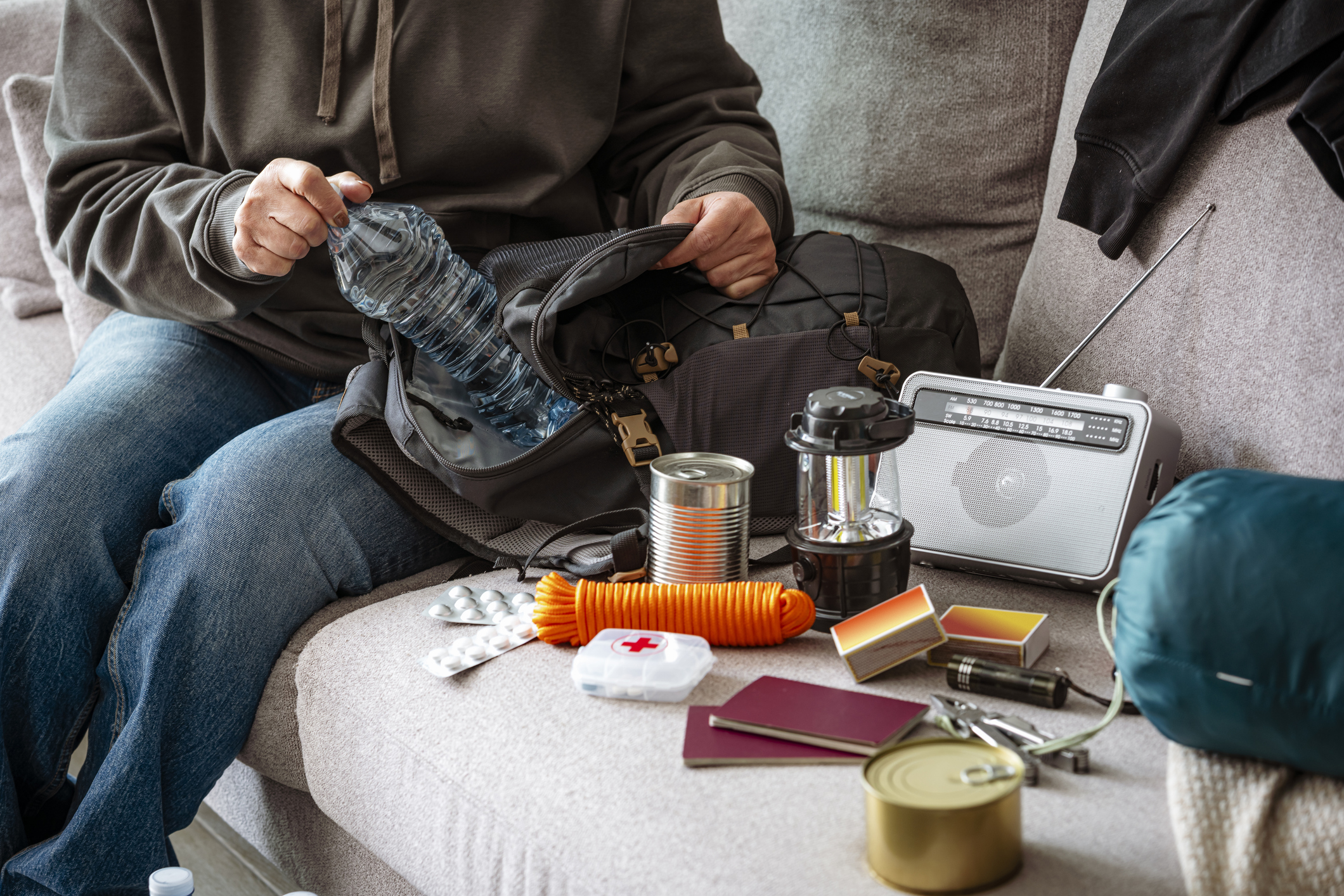
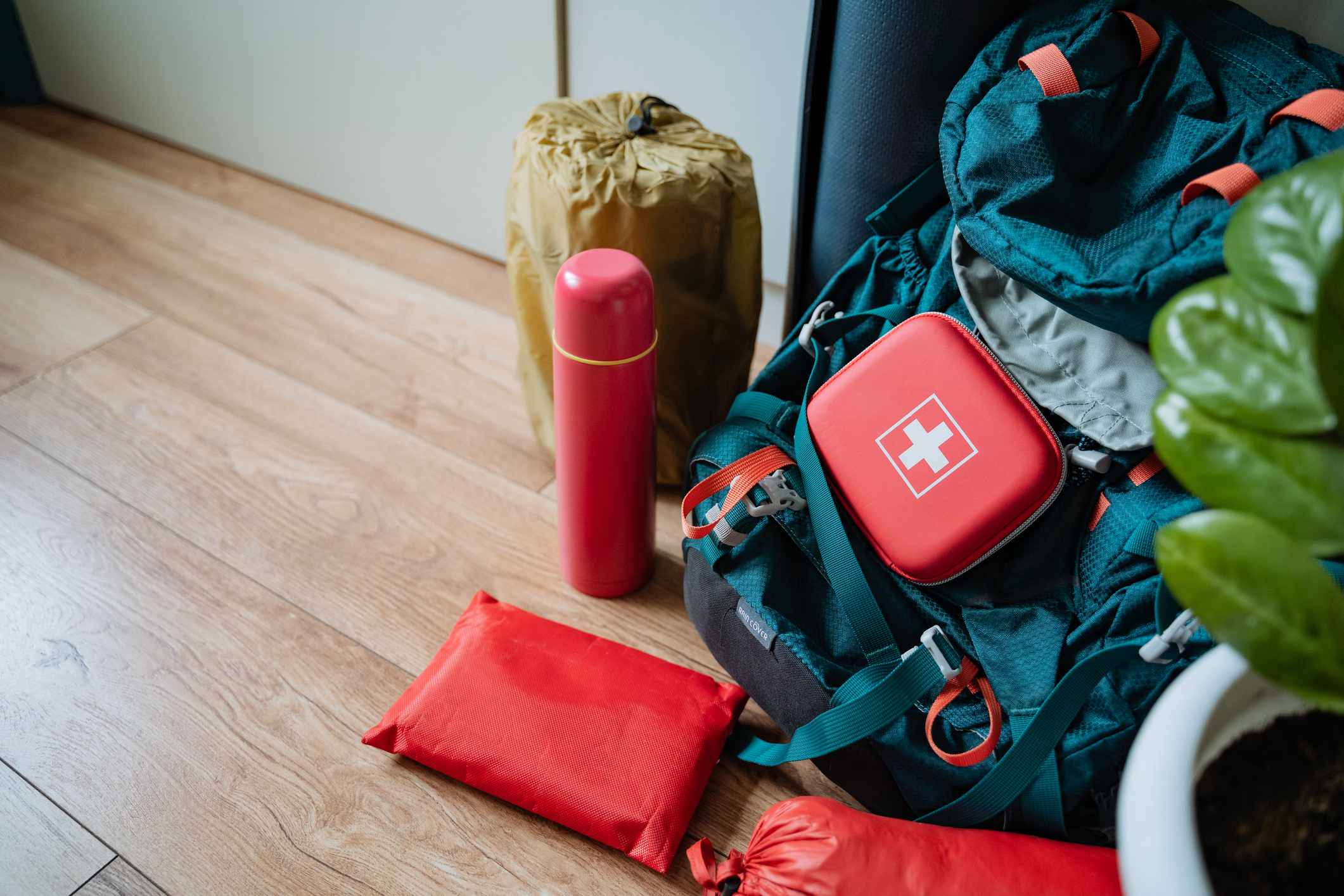
A go bag is always a good idea in case of a wildfire, earthquake, or other major emergency. Every member of your family should have a lightweight go bag that includes:
- Three days of non-perishable food
- Three gallons of water
- Any necessary medication
- A battery-powered flashlight
- A battery-powered radio
- Emergency battery pack for your phone
- Credit cards and cash
- Important documents (ID, passport, Social Security card, etc.)
- An extra set of car and house keys
- An extra pair of contact lenses or glasses
- A change of clothes
Prescription Drugs and Other Necessary Medication
Make sure that you’ve filled your prescriptions well ahead of time. These are important for your stay-at-home kit and your go bag. Better to be prepared than to wait in line in a pharmacy at the last minute as a wildfire approaches.
Backups and Copies of Important Records
Make hard copies and digital copies of all your IDs, financial documents, and other important papers. Having both hard and digital copies is helpful in case cell service is spotty, the internet is out, or your phone has run out of batteries.
Video Walkthrough of Your Home/Business
Insurance companies often require an inventory of what was in your home or business during a wildfire. Try to do a quick video walkthrough of your property to get evidence of as many belongings as possible. This video may only be a few minutes long, but it could mean thousands of dollars more from your insurance company if your property gets damaged in a wildfire.
Communication Plans with Loved Ones
Make plans just in case members of your household get separated. Designate a safe meeting place where you can all regroup. It’s also a good idea to have a person to contact who is outside of the evacuation zone. This outside person can let other members of your household know where a missing family member is and how to reach them.
A Stay-at-Home Fire Kit
When there’s a wildfire in the area, you may not be able to leave your home. This may be due to road closures, power outages, or local authorities putting all resources into containing the fire. This is why you should have items for a stay-at-home kit in case you are unable to leave.
Common items in a stay-at-home kit include:
- Two weeks worth of food
- Two weeks worth of water
- Any necessary medication
- N95 face masks
- An air purifier
- Emergency battery pack for your phone
- A battery-powered flashlight
- A battery-operated radio
- Other necessary items you may need from outside
How to Prepare When a Wildfire Is Near Your Neighborhood
When there’s heavy smoke in the immediate area, and there’s a risk of the fire spreading to your neighborhood, here is how to prepare for a possible evacuation.
- Monitor the Progress of the Wildfire: Check on how fast the wildfire is progressing. You can find updates on CAL FIRE or look to other local news sources for up-to-the-minute info.
- Make Sure Your Go Bag Is Ready: When an evacuation seems possible, make sure your go bag(s) are by the door and ready to grab at a moment’s notice.
- Park in the Driveway or on the Curb: If power goes out during a wildfire, it can take minutes to get your car out of the garage. Before that happens, park in the driveway or on the curb so you’re ready to go.
- Get Pets in Their Carriers: Your cat or dog may not like being in a carrier for a long amount of time, but getting them in the carrier means getting them to safety. Many pets hide when there are signs of a fire, so do this sooner rather than later.
- Take Keepsakes That Are Irreplaceable: In addition to the essentials in your go bag, you can take photo albums, heirlooms, and items with sentimental value. You can get a new toothbrush and clothes later, but you can’t replace certain objects and what they mean to you.
- Close All Windows, Doors, and Vents: Smoke, soot, and other substances in the air can do serious damage to a property. Make sure that all vents, doors, and windows are shut before the fire is in the area.
- Turn Off Gas and Propane If Advised: To prevent explosions, you may be instructed to turn off all gas and propane. This will prevent explosions and assist firefighters as they try to save your home and others.
What to Do When It’s Time to Evacuate During a Wildfire
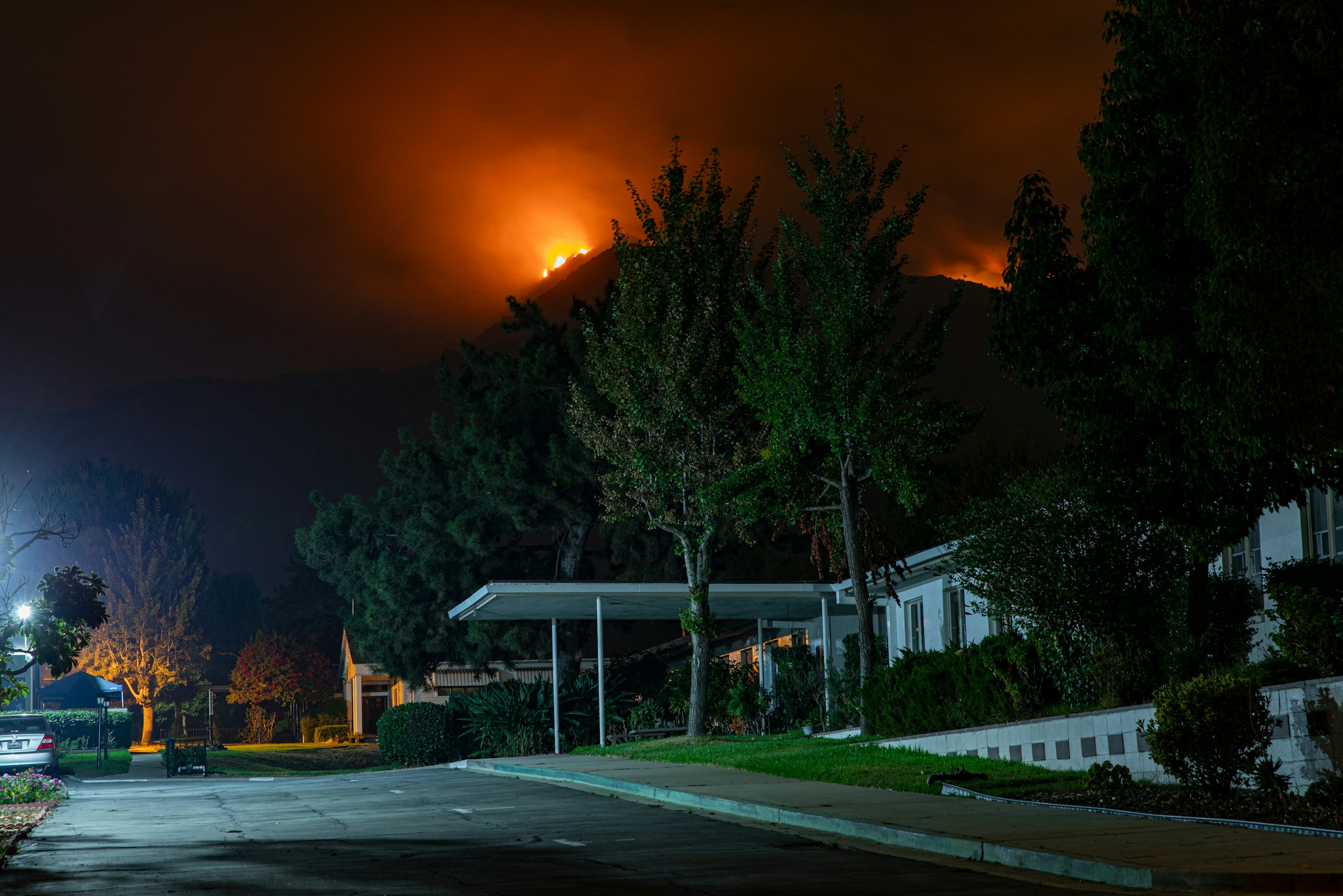
When you are instructed to evacuate your neighborhood, do it. Don’t hesitate. When people stay behind during a wildfire, it means firefighters need to rescue that individual rather than prevent a home from being destroyed. Look out for your own well-being.
Before you leave, turn on the porch lights and other exterior lights if possible. This can help firefighters see your house through heavy smoke if the power hasn’t gone out yet. As you leave, drive with your headlights on and proceed with caution in case of traffic, debris in the road, and approaching emergency vehicles.
When Can I Return to My Home or Business After a Fire?
You should only return to your property when officials have given the all-clear. Only go back during daylight hours for maximum safety. You’ll also want to carefully inspect the perimeter and exterior of the property before going inside if it appears safe to do so.
As you assess the damage, be sure to reach out to an attorney about potential legal action or to get necessary information. An experienced lawyer can give you an overview of insurance coverage after a California wildfire as well as possible legal options depending on the cause of the blaze.
Why Do Wildfires Happen?
The most common causes of California wildfires include:
- Lightning Strikes: Lightning strikes are a major cause of naturally occurring wildfires. This is especially true when there are dry thunderstorms. These are storms in dry places that cause a lot of thunder and lightning but little to no rain.
- Fireworks and Firearms: Both fireworks and firearms are well-known causes of major wildfires. This is why local authorities remind California residents of the dangers of setting off fireworks and firing guns around the Fourth of July and New Year’s Eve.
- Intentionally Set Fires: Intentionally set fires are another potential cause of wildfires in California. This may be due to campfires that are left unattended or acts of arson.
- Company Negligence: Negligence by a factory or a utility company can potentially spark wildfires. The Mill Fire (2022) was caused by the failure of a water-spraying machine at a veneer mill in Northern California.
Some Wildfires Are Caused by Previous Fires
We should also note the potential danger of zombie fires (aka holdover fires), which have been in the news recently.
A holdover fire is essentially a previous fire that authorities believe they’ve put out. Unfortunately, an ember or spark remains that gets rekindled hours or days later. Some holdover fires can last all winter. The CBC reported in 2024 about overwintering fires, which are fires that lasted months despite ice and snow.
It turns out that the 2025 LA wildfires were the result of a zombie fire. The initial blaze that sparked the Palisades Fire was started by an arsonist in the early hours of New Year’s Day. Fire officials thought the eight-acre brush fire was fully contained, but high winds rekindled missed hotspots and caused the third-most destructive wildfire in California history.
About Utility-Caused Wildfires
A utility fire is a specific type of wildfire that’s caused by SoCal Edison, Pacific Gas & Electric (PG&E), and San Diego Gas & Electric (SDG&E). Many of these wildfires happen because:
- Utility companies fail to maintain or repair their transmission tower, power lines, and other equipment as a way to put profits over public safety
- Utility companies fail to clear away tree limbs and other vegetation from nearby power lines and transmission towers
- Utility companies fail to turn off power during heavy winds, which can prevent major fires from starting when power lines strike other nearby power lines
The Eaton Fire: A Recent Utility Wildfire
To understand the dangers of utility fires, let’s consider the Eaton Fire. The Eaton Fire was likely caused by a zombie power line. This is a decommissioned power line that was suddenly re-energized when strong winds caused a live power line to make contact with a dead one. This caused sparks in the canyons above Altadena, triggering a deadly fire.
The electrical tower and power lines that caused this fire had not been used since 1971. Yet SCE said that it was okay to leave the decades-old tower up just in case it was needed in the future.
When utility companies allow their equipment to fail like this, regular Californians need attorneys like ours to level the playing field and hold these entities accountable.

How Danko Meredith Can Help California Wildfire Victims
If you’ve lost your home or business because of negligence by PG&E, SoCal Edison, or SDG&E, Danko Meredith is on your side. Our team features some of the most experienced utility wildfire lawyers in California. We’ve taken on utilities before, and we’ve won. They know who were are, and they know we’re going to fight for you.
Years of Experience Taking on Utility Companies
Danko Meredith has a history of fighting utility companies. We’ve secured settlements for victims of the 2010 PG&E pipeline explosion in San Bruno. Our law firm has even helped take on Hawaiian Electric for its role in the 2023 Maui wildfires in Lahaina. We know how to investigate these cases, what evidence to look for, and how to tell your story.
We Have a Strong Record of Success
When you look through our past verdicts and settlements, you’ll see many high-value verdicts and settlements. How does our firm achieve success for clients? Well, our team has the experience and resources to see cases all the way to trial as needed. We negotiate from a place of strength. Our reputation and resources also give us access to some of the best expert witnesses in the country.
You Pay Nothing Unless We Win
If your home or business is damaged in a wildfire, you have a lot of financial worries already. At Danko Meredith, you pay nothing unless we win. Our law firm is here to support you against the utility companies and secure as much compensation as possible to account for your pain, suffering, and numerous other losses.
Get a Free Consultation with Our Wildfires Attorneys
If your home or business is damaged by a utility wildfire in any way, the team at Danko Meredith is ready to offer its help. Reach out today to speak with a legal team that has the knowledge, experience, and resources to hold California utility companies accountable. For a free consultation, contact our Bay Area law firm today. You can also reach our Redwood City office by phone at (650) 453-3600.