
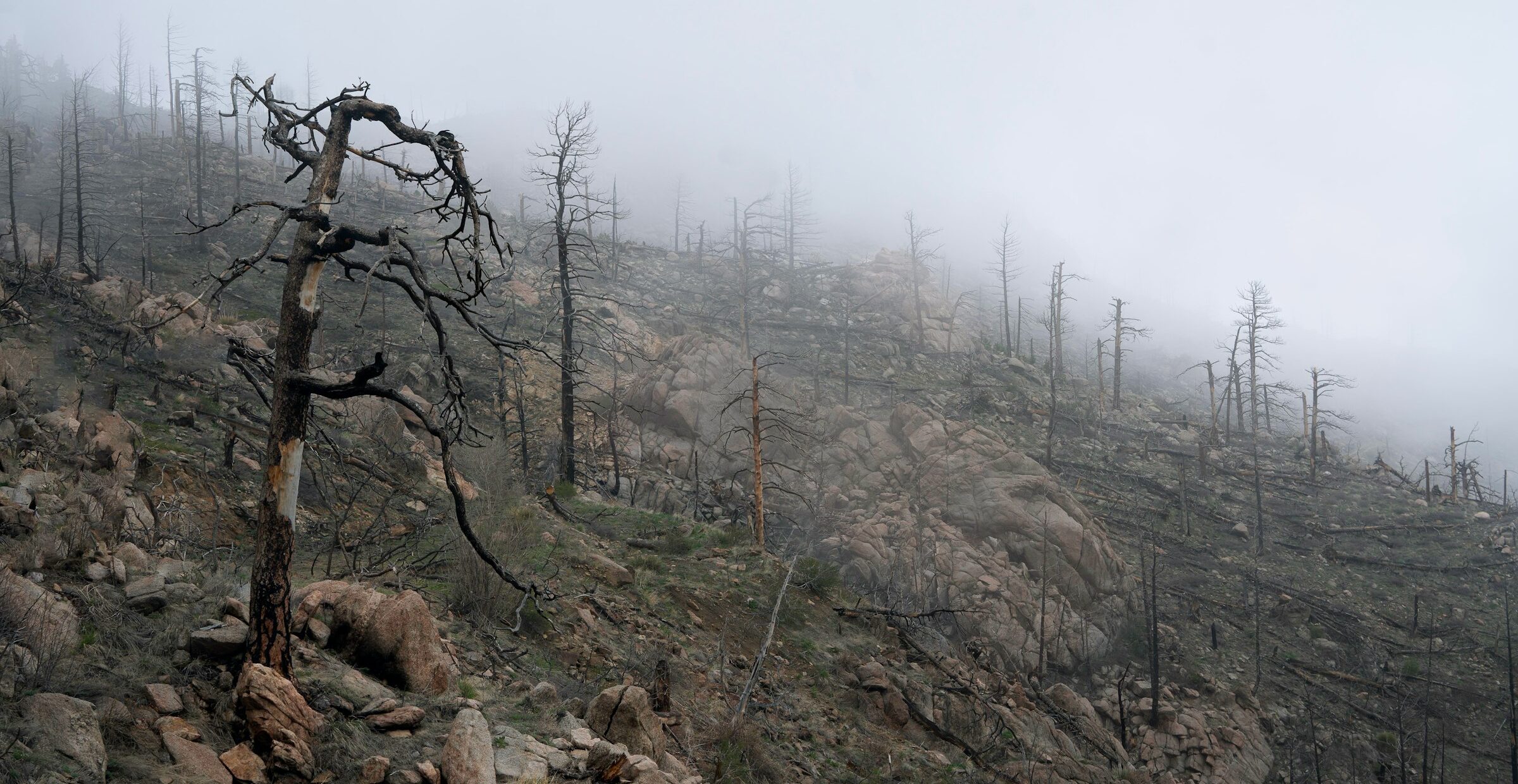
Last week, we looked at what caused the 2025 Los Angeles wildfires. In just one month, more than 57,500 acres burned in Southern California. The Eaton Fire and the Palisades Fire rank among the most destructive wildfires in California history.
While the L.A. fires were extremely destructive, they were not the largest on record. Let’s look at some of the largest recorded wildfires and fire seasons in history from all over the world. We’ll then focus on California’s history of deadly wildfires and explain why the danger and severity have only increased in recent years.
If you’ve been affected by a wildfire or know someone who has, the team at Danko Meredith can help. For a free consultation, contact our Bay Area law firm today. You can also call our office in Redwood City at (650) 453-3600.
The Largest Recorded Wildfires in the World
These are five of the largest wildfires in world history according to the editors of Britannica. You’ll note that three of these five wildfires have occurred in the last 10 years.
The Australian Bushfire Season (1974-1975)
The largest single wildfire season in history occurred in Australia from 1974-1975. This fire season burned a staggering 289 million acres of land, roughly 15% of the entire Australian continent. While half of the affected land was not inhabited, these brushfires still claimed six lives. The fires also killed an estimated 57,000 farm animals and destroyed crops and infrastructure.
The Siberian Taiga Fires (2003)
The largest series of wildfires, the Siberian Taiga Fires started in Russia and eventually spread to parts of China and Mongolia. An estimated 55 million acres were burned. Thankfully, the wildfire area was mostly unpopulated, and there were no recorded fatalities.
The Australian Black Summer Bushfire Season (2019-2020)
Australia had another devastating fire season in more recent history, which has been dubbed “the Black Summer.” Fueled by the warmest and driest summer recorded, the 2019-2020 Australian fire season burned 49 million acres and caused at least 33 deaths. More than 3,000 structures were destroyed, with estimated damages of around $100 billion.
The Russian Wildfires (2021)
The Russian taiga also had a more recent massive wildfire. While there were once again no confirmed deaths, approximately 46 million acres of boreal forest were burned. It’s thought that the majority of these fires were caused by a combination of poorly maintained campsite fires and issues with electrical lines and utility infrastructure.
The Canadian Wildfires (2023)
The Canadian Wildfires of 2023 burned an estimated 37 million acres across all 13 of Canada’s provinces and territories, doubling the country’s previous wildfire record. Eight firefighters lost their lives trying to contain these wildfires. Many of these blazes were caused by lightning. On just a single day in June, a lightning storm caused 120 separate fires.
Major Wildfires in American History
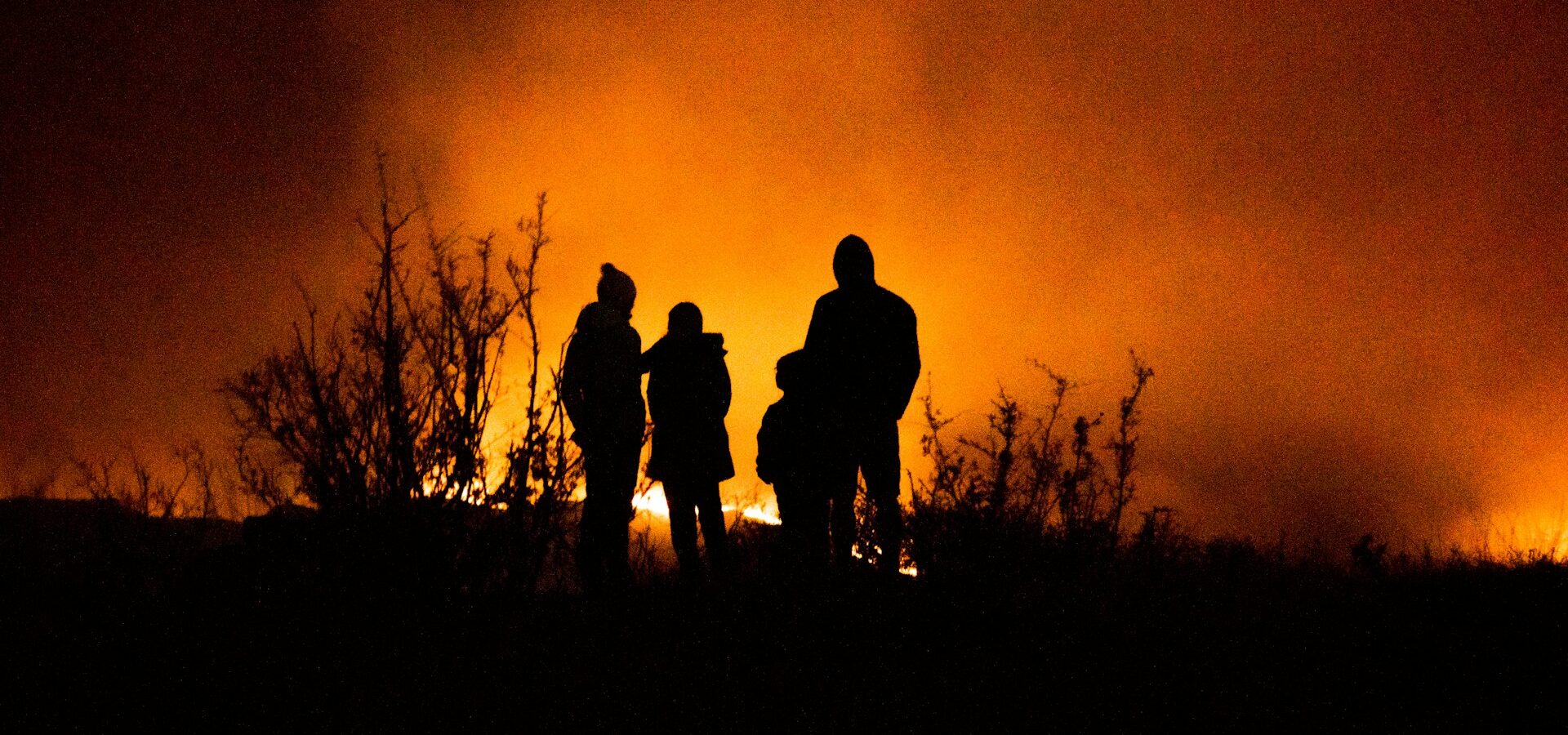
The largest wildfires listed above occurred in Australia, Russia, and Canada. Here are three of the biggest wildfires in American history according to the Western Fire Chiefs Association (WFCA).
- The Great Miramichi Fire (1825): The largest wildfire in American history burned more than 3 million acres and claimed at least 160 lives. While most of the fire occurred in New Brunswick, Canada, flames spread into the state of Maine.
- The Great Fire of 1910: Also known as the Big Blowup and the Devil’s Broom Fire, the Great Fire of 1910 only lasted two days but burned an estimated 3 million acres across Idaho, Montana, and Washington. The massive blaze claimed at least 87 lives.
- The Great Michigan Fire (1871): The Great Michigan Fire occurred in October after a long and dry summer. More than 2.5 million acres burned throughout the state. The exact death toll of this fire is unknown, but experts estimate it’s under 250.
You’ll note that these three fires all occurred in the 19th century and early 20th century, well before modern campaign fire management and wildfire containment in fire suppression.
2020: The Largest California Wildfire Season in History
The world shut down in 2020 as a result of the COVID-19 pandemic. During that tumultuous year, there was an unprecedented number of wildfires throughout the state of California.
According to CAL FIRE, there were 8,648 individual wildfires in California in 2020. Collectively, these fires burned more than 4.3 million acres, destroying more than 11,000 structures in the state and causing at least 33 deaths. Overall damage is estimated at over $12 billion.
For perspective, five of the 20 largest wildfires in California history occurred during the 2020 wildfire season.
The Largest Wildfires in California History
Below are the largest wildfires in California history in terms of overall size and acres burned.
The August Complex Fire (2020)
The August Complex Fire refers to a group of wildfires that predominantly burned in Mendocino National Forest. In just two days in mid-August, lightning storms caused 38 separate fires in the area. More than 1 million acres burned because of the August Complex Fire, an area greater than the size of Rhode Island.
The Dixie Fire (2021)
The Dixie Fire was caused by a tree that made contact with a power line in Feather River Canyon. The resulting fire burned more than 963,000 acres and destroyed more than 1,300 structures in the region.
The Mendocino Complex Fire (2018)
The Mendocino Complex Fire was comprised of two separate fires in the region: the River Fire and the Ranch Fire. By the time the complex fire was brought under control, more than 459,000 acres had burned.
The Park Fire (2024)
The Park Fire was caused by a car that wound up off-road and got stuck in the grass. The driver revved the engine, igniting the grass beneath the car and the vehicle itself. The resulting fire burned more than 429,000 acres in Butte and Tehama counties.
SCU Lightning Complex Fire (2020)
Much like the August Complex Fire, the SCU Lightning Complex Fire was the result of lightning and drought conditions in 2020. More than 396,000 acres burned in the Diablo Range.
The Deadliest Wildfires in California History
Below are the five deadliest wildfires in California history according to the Western Fire Chiefs Association (WFCA).
The Camp Fire (2018)
The Camp Fire was caused by a poorly maintained PG&E transmission line in Feather River Canyon. The deadly blaze caused 85 deaths and destroyed most of the town of Paradise.
The Griffith Park Fire (1933)
Thousands of laborers were working in Griffith Park in Los Angeles when a brushfire broke out. Only 47 acres burned, but the fire caused 29 deaths.
The Tunnel Fire (1991)
Also known as the East Bay Hills Fire and the Oakland Firestorm, the Tunnel Fire burned the Oakland hillsides and part of southeastern Berkeley. There were 25 confirmed deaths.
The Tubbs Fire (2017)
The Tubbs Fire burned through California’s Wine Country and spread to Santa Rosa, causing massive structural damage. The fire caused 22 deaths.
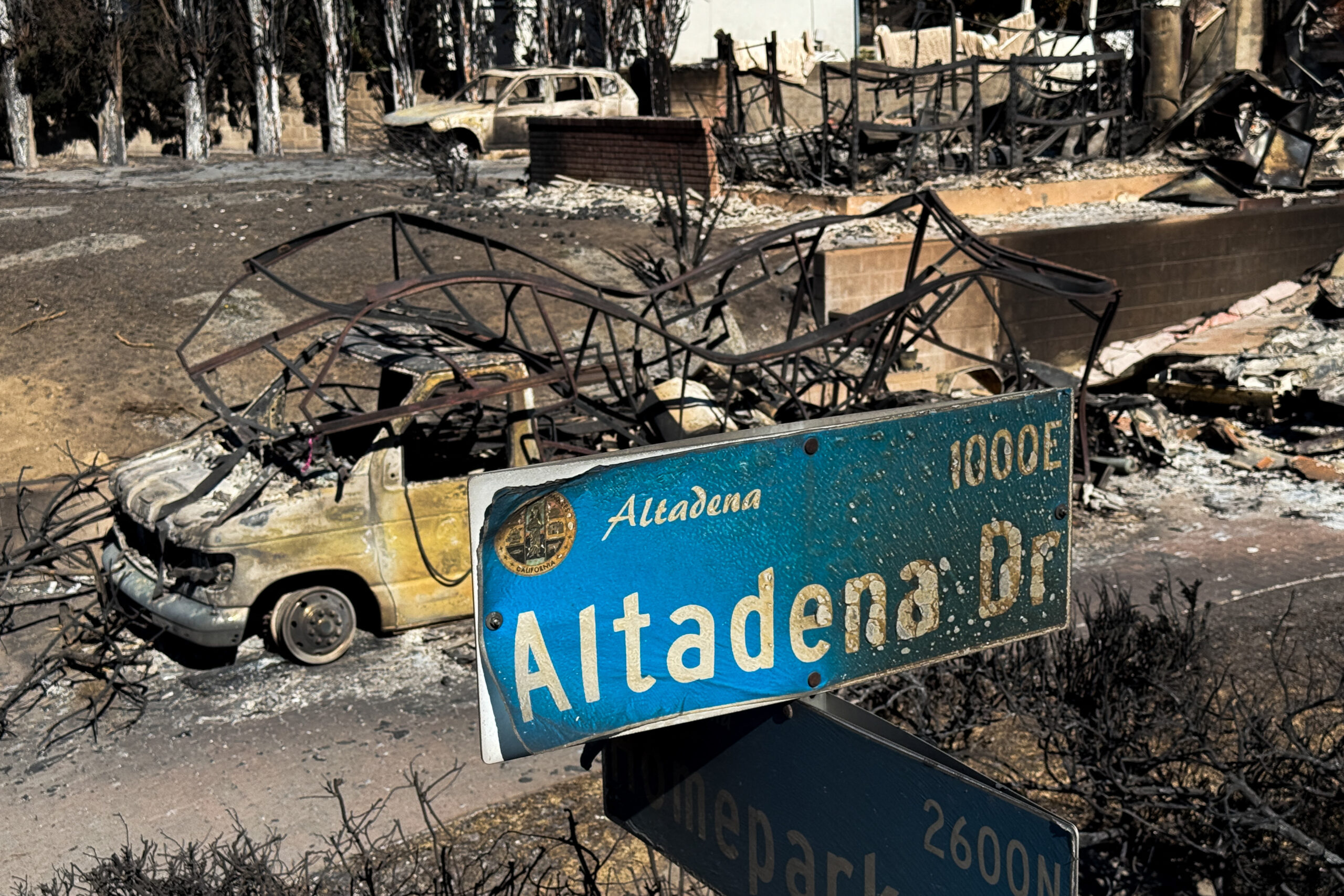
The Eaton Fire (2025)
While the cause is still under investigation, the Eaton Fire was likely started by a zombie power line in the hills above Altadena. The fire caused 19 deaths.
The Most Destructive Wildfires in California History
Destructiveness refers to the amount of property destroyed by a wildfire. The most destructive California wildfires have already been listed above in terms of their size and lethality, but we want to group them together and offer some context on why they were so devastating for communities.
These are the five most destructive wildfires in California history according to the Associated Press (AP).
- The Camp Fire: 18,804 structures were destroyed in the Camp Fire. Estimated damage totals around $16.65 billion.
- The Eaton Fire: 9,418 structures were destroyed in the Eaton Fire. Estimated damage totals around $27.5 billion.
- The Palisades Fire: 6,837 structures were destroyed in the Palisades fire. Estimated damage totals around $25 billion.
- The Tubbs Fire: 5,643 structures were destroyed in the Tubbs Fire. Estimated damage totals around $1.3 billion.
- The Tunnel Fire: 2,843 structures were destroyed in the Tunnel Fire. Estimated damage would total around $3.07 billion when adjusted for inflation.
Why Have Wildfires Become So Common in California?
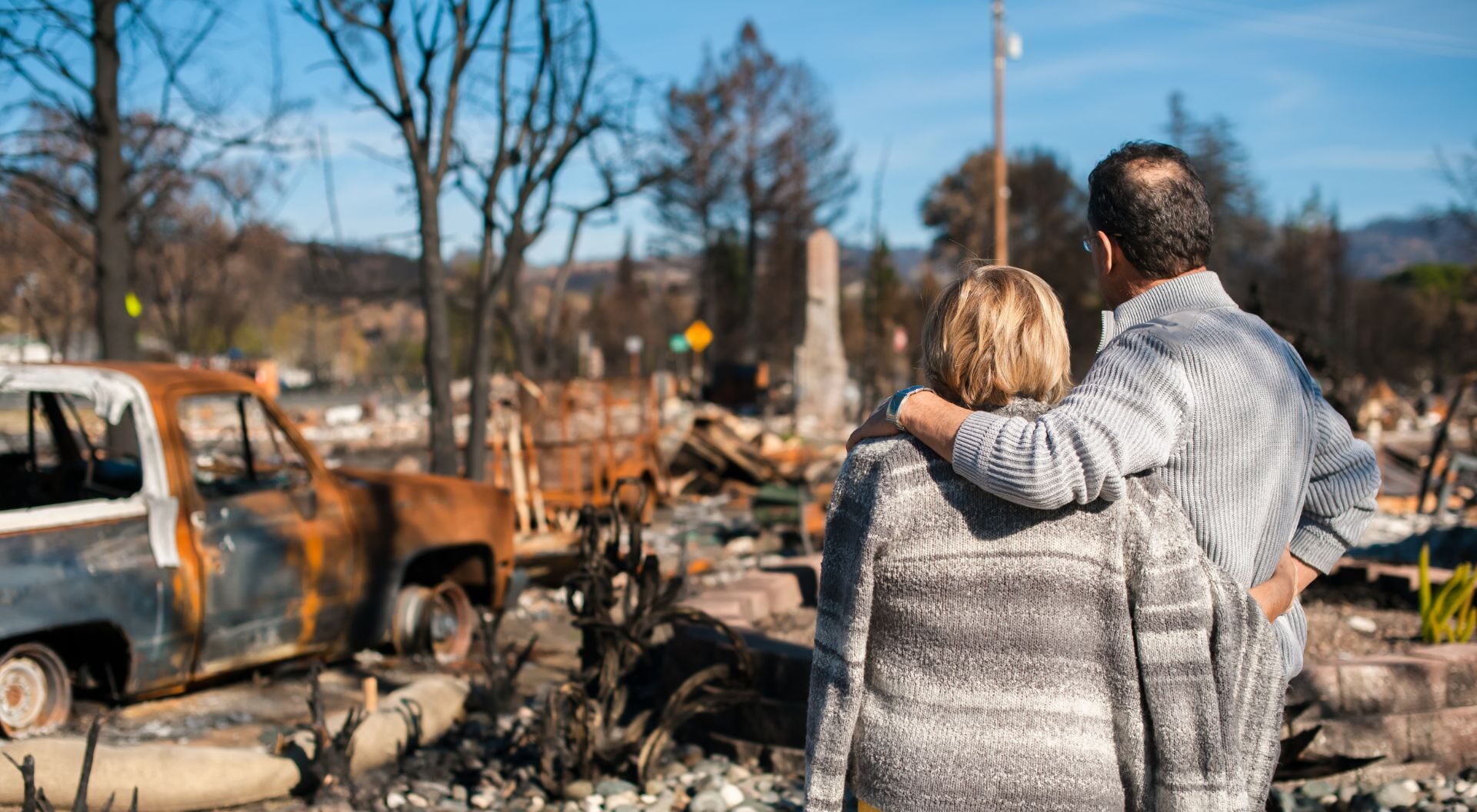
Four of the five most destructive wildfires in California have all taken place in the last decade. It’s led many people to wonder why wildfires have become so common all over the Golden State.
When we previously looked at how wildfires grow and spread, we mentioned a few factors that can increase the risk, intensity, and size of a wildfire:
- Strong Regional Winds: The Diablo winds in Northern California and the Santa Ana winds in Southern California can fan flames and spread burning embers hundreds of yards away. This makes it much harder to contain and control massive wildfires.
- Heavy Rains and Drought Conditions: Atmospheric rivers bring massive rainfall to California. This is followed by a long dry season and drought conditions. This pattern in the weather essentially creates ample amounts of dry fuel ready to be consumed by the next wildfire.
- Climate Change: Climate change has led to much more extreme weather around the world. It explains the major wildfires in Canada and Australia in recent years as well as the growing wildfire dangers here in California and other western states.
Increasing Dangers to Cities and Local Communities
In terms of wildfire destructiveness, we also need to consider what’s known as the wildland-urban interface (WUI). In simple terms, the WUI is where forests, trails, and fields meet residential and business developments.
Many areas where wildfires happen in Northern and Southern California are in this wildland-urban interface. If a wildfire can’t be contained in sparsely populated wildland and spreads into residential neighborhoods, the losses can be immense and heartbreaking.
What Are the Most Common Causes of Wildfires?
We’ve looked at many wildfires throughout history, and it’s worth considering some of the common causes of wildfires. We’ve alluded to them while discussing various specific fires, but let’s highlight some of the reasons these fires happen.
- Lightning Strikes: Lightning storms are the leading cause of naturally occurring wildfires. This is particularly true of dry thunderstorms, which are storms that cause a lot of lightning but very little rain.
- Poorly Maintained Campfires: When campers or hikers start a fire but don’t keep it contained or controlled, a spark, ember, or hotspot can cause a major wildfire.
- Burning Leaves and Debris: Some people burn leaves and yard waste on their property. This can be quite dangerous and cause a fire in nearby brush or wildland.
- Cigarettes and Smoking: People who smoke while on a trail or while driving could cause a fire if they carelessly discard their cigarettes or cigars.
- Fireworks and Gunfire: Fireworks and guns could set off a wildfire if people are not careful. It’s why you tend to see a lot of warnings about fires around New Year’s Eve and the Fourth of July.
- Arson: Some fires are set intentionally. The Palisades Fire can be traced back to an intentionally set brushfire in the wee hours of New Year’s Day.
- Utility Company Negligence: Power lines and poorly maintained electrical infrastructure could spark a wildfire. In these situations, utility companies need to be held legally responsible for their harm they caused to Californians.

How Danko Meredith Can Help After a Utility-Caused Fire
Look through the list of destructive and deadly California wildfires again. You’ll notice that the Dixie Fire and the Camp Fire were both caused by utility company power lines. The more recent Eaton Fire may also have been caused by utility company negligence.
The experienced California wildfire attorneys at Danko Meredith can hold utility companies accountable when homeowners, business owners, and local residents have their lives and livelihoods disrupted.
We Can Hold Utility Companies Accountable for Negligence
Danko Meredith has a long history of going after companies like Pacific Gas & Electric (PG&E), San Diego Gas & Electric (SDG&E), and Southern California Edison (SCE). In addition to our work with survivors of the Dixie Fire and Camp Fire, we also secured a settlement for 59 survivors of the 2010 San Bruno gas pipeline explosion.
We Can Help Secure Compensation for Your Losses
A utility-caused wildfire can destroy your home or business. It can upend your entire livelihood and force you to relocate. These disasters can also affect your respiratory and cardiovascular health and cause major pain, suffering, and psychological trauma. The lawyers at Danko Meredith can account for all the ways a wildfire has affected your life and seek fair compensation.
We Can Level the Playing Field Against Utilities
The attorneys at Danko Meredith have a strong record of legal success. That’s thanks to our knowledge, our experience, and our resources to see cases through to trial. Utility companies have massive legal teams in place and will do their best to settle for less than what your claim is worth. With Danko Meredith, we may be outnumbered by utility company legal teams, but we will never be out-lawyered.
Contact the Wildfire Lawyers of Danko Meredith Today
If you or your family have been affected by a utility-caused fire, the team at Danko Meredith is ready to help. Consultations are free, and clients don’t pay unless we win. You have nothing to lose by speaking with us and learning about your legal options.
To set up a free case review with our wildfire attorneys, contact our Bay Area law firm today. You can also call our office in Redwood City at (650) 453-3600.