
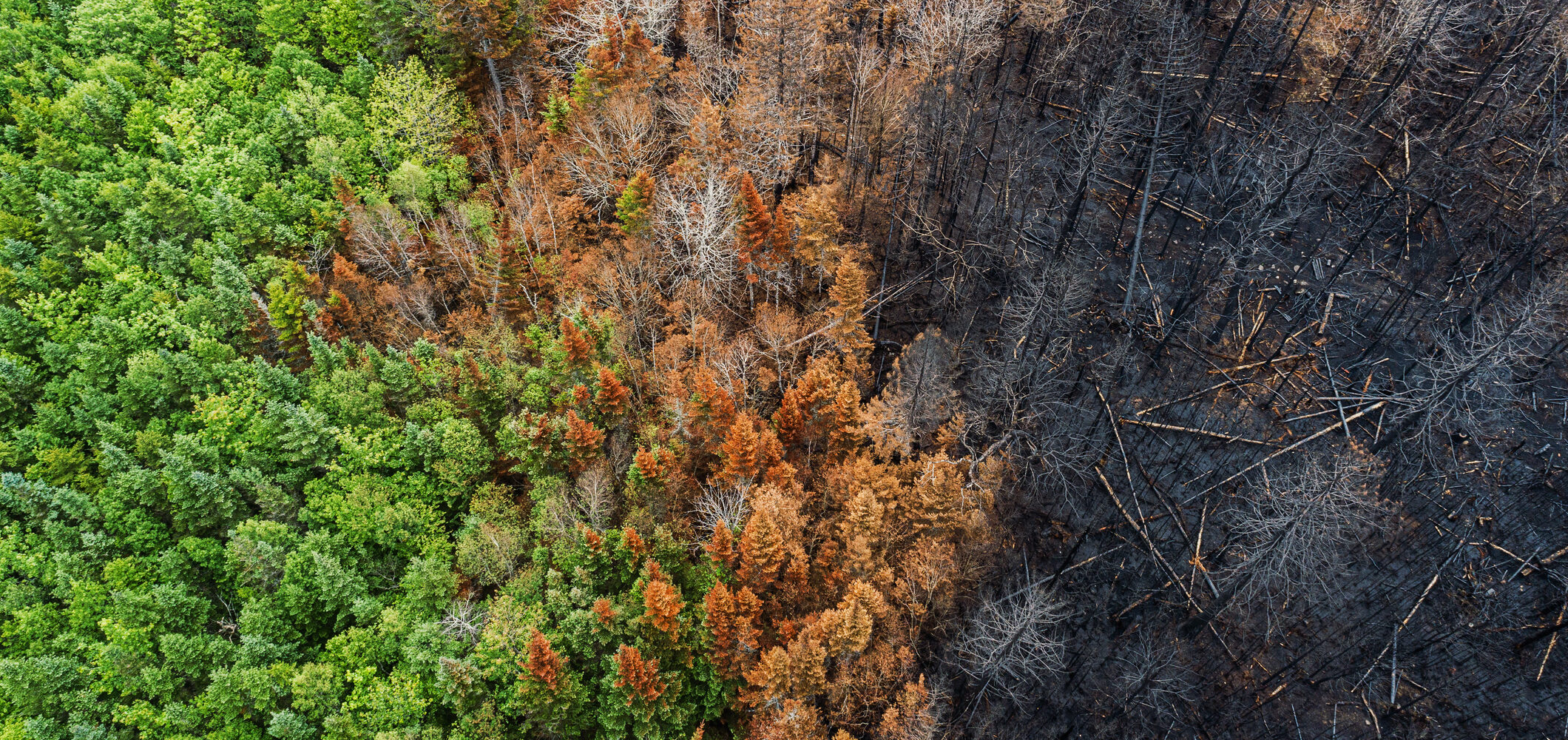
Northern California’s wildfire season typically starts in June and runs through October or November. In Southern California, it usually starts in April or May and runs through October. However, climate change has caused year-round wildfire risks throughout California and other western states.
California’s year-round wildfire risks mean that local governments and utility companies need to exercise diligence to help keep communities safe. The team at Danko Meredith would like to consider the traditional idea of wildfire season and the various factors that have caused year-round wildfire danger throughout the state of California.
If you or someone you know has been impacted by a wildfire caused by a utility company, our attorneys are here to help. For a free consultation, contact our Bay Area law firm today. You can also call our law office in Redwood City at (650) 453-3600.
California’s Historical/Traditional Wildfire Season
According to the Western Fire Chiefs Association (WFCA):
- Northern California’s historical wildfire season runs from the summer through the fall
- Southern California’s traditional wildfire season runs from the spring through the fall
Statewide, July and August are traditionally the most dangerous times for wildfires, though fires that happen in September and October are generally more destructive. The WFCA noted a traditional weather pattern throughout the year, with rainy seasons in the winter into early spring, a long and hot summer, and then destructive fires in the fall.
This cycle has applied for many years, though, as we noted above, the California wildfire season has changed.
California’s Current Wildfire Season Is Essentially Year-Round
As the WFCA noted, decreasing rainfall and increasing temperatures have extended the length of the wildfire season, meaning it begins earlier in the year and ends much later.
At this point, the wildfire season is almost year-round in both Northern and Southern California.
According to researchers with UC Irvine’s Department of Civil & Environmental Engineering, each new year in the 21st century has set new records in terms of California wildfire damage. There has also been a major increase in more extreme wildfires that burn over 10,000 acres in the last 26 years. This includes campaign fires, complex fires, and megafires, which can take weeks to contain, control, and extinguish.
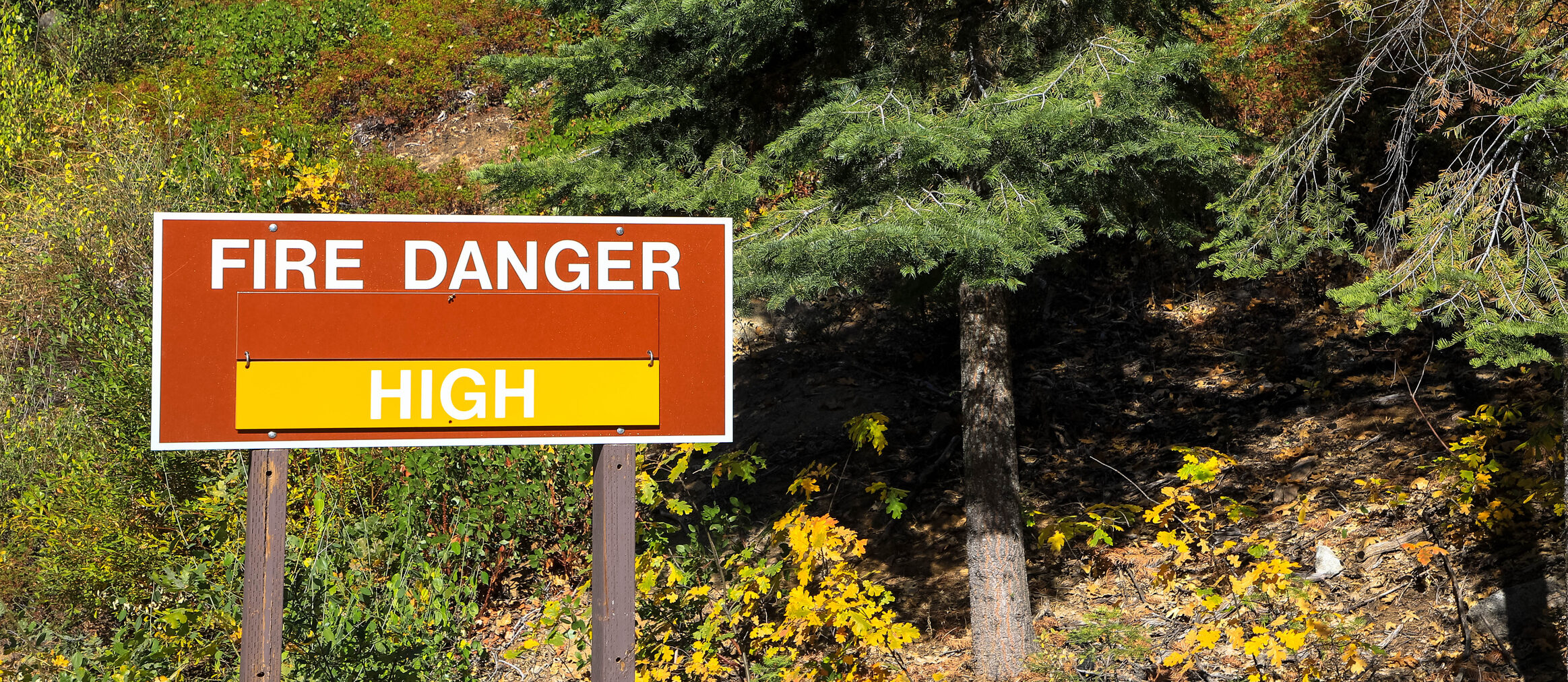
Why Is California’s Wildfire Season Longer Now?
There are a few key factors that have contributed to the extended California wildfire season, increasing the danger to people all over the Golden State.
The Effects of Climate Change
Climate change has increased temperatures worldwide, leading to drier conditions in California and other western states. In addition, climate change has altered weather patterns, leading to greater extremes in the rainy season and dry season. As human-caused climate change continues to affect the world, all Californians need to be ready for a potential wildfire in their area.
Heavy Rains and Drought Conditions
The rainy seasons in western states have become more intense due to climate change. Atmospheric rivers dump heavy rains during the winter, which leads to lots of vegetation growth. However, the dry season has also become longer and more extreme, which is why California always seems to be facing a drought. As the dry spring and drier summer stretch on, the vegetation from the rainy season dies off, creating ample fuel for a major wildfire.
Strong Regional Winds
The Diablo winds in Northern California and the Santa Ana winds in Southern California become more dangerous in the year-round wildfire season. If a fire does start, these winds can fan flames and send embers hundreds of yards away, which makes it much harder for fire crews to successfully contain, control, mop up, and put out wildfires.
Destructive and Deadly Wildfires Are Becoming More Common
When we listed the largest, deadliest, and most destructive wildfires in history, we pointed out something of concern:
- 4 of the 5 most destructive wildfires in California history have taken place in the last decade
- 5 of the 20 largest wildfires in California’s history occurred in 2020 alone
This coincides with the increased duration of the wildfire season, and it should give us all pause as Californians.
Looking at the 2025 Los Angeles wildfires and how they started, we see how a brushfire or a utility company mishap can cause unprecedented devastation. Those Southern California fires burned more than 57,500 acres and destroyed over 18,000 structures.
The same can be said of the Camp Fire in 2018. An issue with a utility company transmission line wound up causing a fire that killed 85 people and destroyed over 18,800 structures.
The Wildland-Urban Interface (WUI) in California
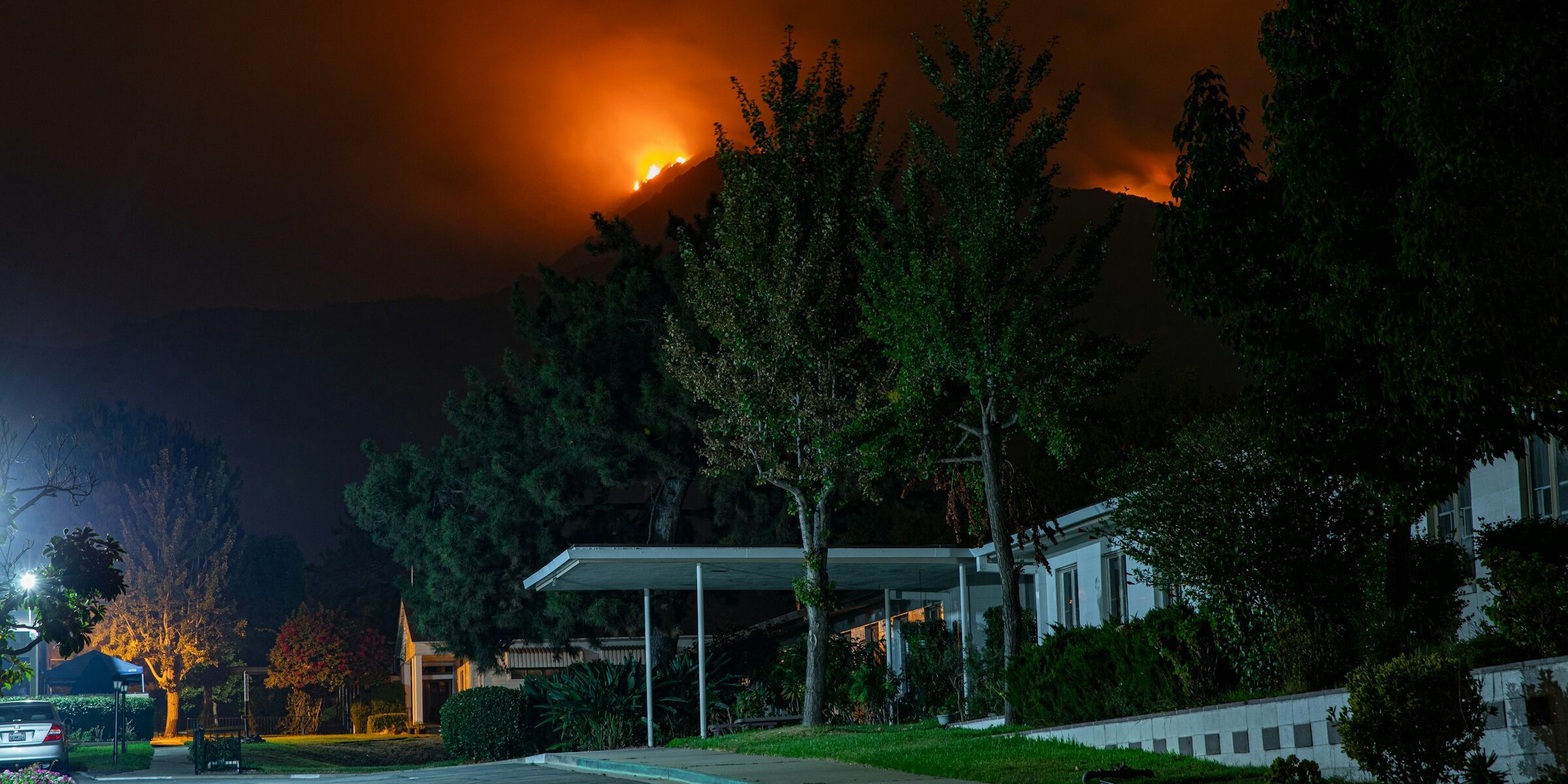
As we review where wildfires occur in California, there’s been a lot of discussion about the wildland-urban interface. The WUI is where forests and trails meet residential and business areas. Many cities in Northern and Southern California are in the WUI. This is particularly true of newer communities that are getting built out to meet the growing demand for housing.
When wildfires spread from hills and trails into residential areas, the amount of damage and destruction can be heartbreaking. In the Los Angeles wildfires, we saw what happened to the hillside homes in Pacific Palisades and the neighborhood of Altadena. In the Camp Fire, we saw the way Paradise was engulfed by a fast-traveling blaze.
This should be a wake-up call for Californians about wildfire risks. There’s a lot we need to consider to make sure we’re ready for a disaster that hits our local communities.
How Do We Prepare for Future Wildfires in California?
When it comes to preparing for the new reality of wildfires in California, there’ so much to do. You can consider creating a defensive perimeter around your home, using fire-resistant materials for your home and fencing, and preparing emergency kits in case you need to evacuate your neighborhood or shelter in place during a firestorm.
We encourage you to read through these wildfire preparedness resources we’ve created in recent months so that you’re ready before, during, and after the next California wildfire:
Throughout wildfire season, we encourage you to keep up with local news and to keep tabs on the CAL FIRE website. You can get up-to-date information on wildfires throughout the state as well as evacuation zones in case of an emergency.
The Increased Risk of Utility-Caused Wildfires
While wildfires have many different causes, there’s been an increased concern over fires that are sparked by utility companies. In these situations, wildfires are the direct result of negligence by utilities like Pacific Gas & Electric (PG&E), Southern California Edison (SCE), and San Diego Gas & Electric (SDG&E).
Some of the most notable California wildfires in the last decade are the result of negligent utility companies.
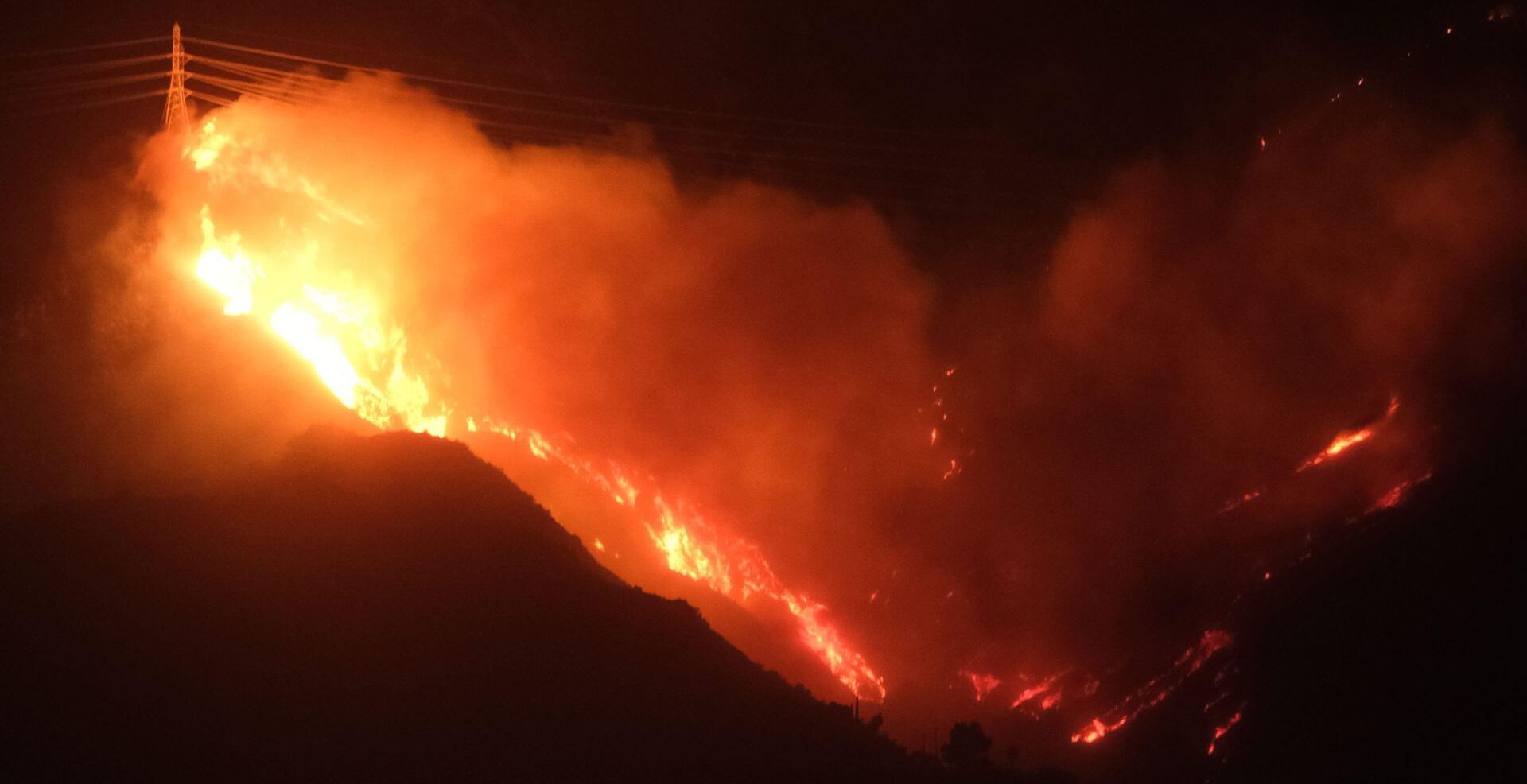
Why Utility-Caused Wildfires Happen
Many times, utility-caused fires are the result of companies putting profits over regular people. Here are four common reasons that these kinds of fires happen:
- Lack of Maintenance: Some utility companies feel it’s better to let equipment break or deteriorate rather than make proactive repairs. This can cause power lines, towers, and other structures to fail, leading to a wildfire. At Danko Meredith, we call this the “run-to-failure” mentality.
- Old Utility Equipment: As part of the “run-to-failure” mentality, some utility companies leave old towers or power lines in place even though they should have been taken down years ago. This was the case with the Eaton Fire, which was caused by a zombie power line.
- Trees Too Close to Power Lines and Towers: When branches, limbs, or trees themselves get too close to a power line or transmission tower, the contact could cause dangerous sparks. This was the case with the Dixie Fire, when a tree made contact with a transmission line in Feather River Canyon.
- Failure to Turn Off Power During High Winds: When winds are heavy, they can cause power lines to sway. When lines make contact with trees, towers, or other power lines, it can lead to sparks and start a fire. Utility companies are allowed to turn off power as a precautionary measure, but they are sometimes too late. Utilities can be held liable if they fail to act when dangerous conditions are present.
Given the increased dangers of California’s extended wildfire season, utility companies like PG&E, SCE, and SDG&E need to be held accountable when their actions lead to damaged homes, devastated communities, and lost lives.
Can I Sue for Damages After a Utility-Caused Fire?
Yes. If your home or business was damaged in a utility-caused wildfire, you can file a lawsuit against the utility to seek damages.
The compensation sought can help address property loss, repairing or rebuilding, loss of income, the cost of relocating, and health issues caused by the wildfire. If you lost a loved one in a wildfire, you can also seek compensation in a wrongful death lawsuit.
Do Not Immediately Settle with Utility Companies
Some utility companies want to avoid full accountability, and they may set up compensation programs for wildfire survivors. This seems good on its surface, but the promise of some financial recovery through the utility should give you pause.
When you look at SoCal Edison’s Eaton Fire compensation program, for instance, it seems like a good way to get some compensation for what you experienced. But if you look closely, you’ll notice that:
- You can’t negotiate a better offer
- There’s no independent oversight
- There may be delays in payment
- The offers may be far lower than you deserve
It’s in your best interests to speak with experienced California wildfire lawyers about what happened to you and how much your case could be worth.

Why You Need the Wildfire Attorneys of Danko Meredith on Your Side
Danko Meredith has helped many utility wildfire survivors throughout California in recent years. Whether you lost your home, your business, or a member of your family in a wildfire, our law firm is here to provide the support and peace of mind you need while pursuing compensation from a negligent utility company.
We Have a Record of Taking on Utility Companies
Danko Meredith has a history of taking on utility companies for their negligence. Our lawyers have helped hold Hawaiian Electric accountable for its role in the 2023 Maui wildfires in Lahaina. In addition to wildfire litigation, we’ve also secured a settlement from PG&E for 59 victims of the 2010 San Bruno gas pipeline explosion. We’ve stood up to these companies before, and we are prepared to do it again.
We Have the Trial Experience and Resources to See Your Case Through
A lot of law firms will look to settle because of how complicated, time-consuming, and expensive a court case can be. At Danko Meredith, we’re ready to go all the way to trial. We prepare every case as if we will go to trial, and we’ll work with leading expert witnesses to help tell your story in a compelling way that’s backed by facts. Utility companies have large defense teams, but we’re up to the challenge. Those defense teams may have us outnumbered, but Danko Meredith will not be out-lawyered.
We Don’t Get Paid Unless We Win Your Case
In addition to free consultations, the team at Danko Meredith works on a contingency fee basis. That means we do not get paid unless and until we secure a settlement or win a favorable verdict. If we aren’t successful, you don’t pay. This helps working Californians hold powerful interests accountable. At Danko Meredith, we want to level the playing field for you so you can recover with dignity.
Contact Danko Meredith Today for a Free Consultation
If you or someone you know has been affected by a utility-caused wildfire in California, the attorneys of Danko Meredith want to hear from you. We’ll listen to your story and let you know if you have a case. To set up that free initial consultation, contact our Bay Area law firm today. You can also call our office in Redwood City at (650) 453-3600.