
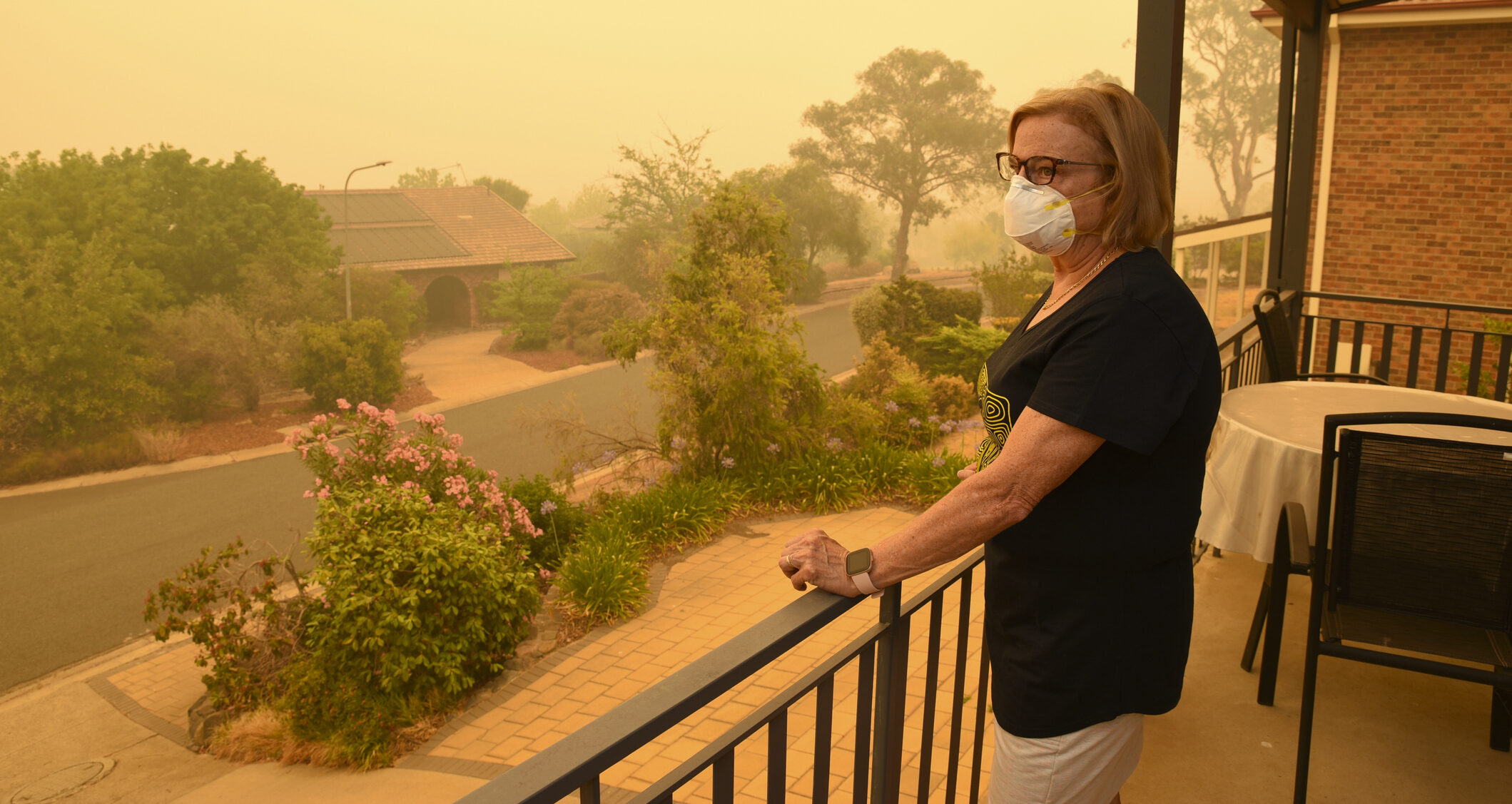
To protect yourself from wildfire smoke, you’ll need N95 face masks, an air cleaner/purifier, air filters for your vents, and eye protection in case you go outside. It’s best to close windows and remain indoors when the air is saturated with smoke due to how bad the air quality can get from local wildfires. Wildfire smoke can cause serious health issues, especially for people who have asthma or suffer from a respiratory condition.
Our lawyers working with Eaton Fire survivors have looked at the extensive property damage in Altadena and nearby neighborhoods. Yet smoke inhalation often gets overlooked. Breathing in wildfire smoke in the area can lead to medical problems that may not be apparent for a while. Toxic contaminants can also remain in the soil for years without proper cleanup.
Let’s explore how you can protect yourself and your family from smoke from the next California wildfire. If you have any questions about how smoke inhalation may have impacted your health and what legal options may be available, contact our Bay Area law firm today. You can also reach our law office in Redwood City by phone at (650) 453-3600.
4 Essential Items You Need to Protect Yourself from Wildfire Smoke
The California Air Resources Board listed a few essential items that can help protect you and your family from wildfire smoke and the effects of smoke inhalation:
1. N95 Masks
NIOSH-certified N95 respirator mask will help protect you from the harmful particulate matter in wildfire smoke. Make sure you wear the mask properly so that it fits snugly around your nose, mouth, and face.
2. An Air Cleaner/Purifier
A CARB-certified air cleaner can be very helpful in reducing the amount of indoor particles in your home. This is especially helpful if you need to shelter in place for a few days while air quality is poor.
3. Air Filters for Vents
Using air filters rated MERV 13 or higher will help protect your home from particulate matter during a wildfire. Make sure these filters are placed in all air vents on the premises to ensure as much protection as possible.
4. Sunglasses/Eye Protection
If you have to go outside, be sure to wear sunglasses, goggles, or other kinds of eye protection. This will help keep toxic substances and other harmful particles out of your eyes.
Note: Take Additional Precautions If You Have Asthma or Lung Disease
If you have asthma or suffer from any sort of respiratory condition, be sure to have additional medication ready in case of poor air quality days. Follow your Asthma Action Plan (AAP) and always be mindful of your doctor’s orders.
What Is Wildfire Smoke Made Of?
Smoke from a wildfire is a mix of hazardous gases, liquid droplets, and very fine particles. These tiny particles are of the greatest concern to respiratory health, measuring just 2.5 micrometers/microns in size. These particles are usually referred to as “PM 2.5,” with “PM” standing for “particulate matter.”
Particles that are less than 4 microns can get into the alveoli and deep tissues of the lungs.
Toxic Substances May Be Found in Wildfire Smoke
According to UC Davis Health, wildfires that affect populated areas can be more dangerous. Homes and structures can produce more toxic materials due to burning paint, building materials, plastics, and solvents.
It’s not uncommon for wildfire smoke to contain traces of lead, mercury, and arsenic. In fact, there may be other toxic organic compounds in wildfire smoke, such as benzene and asbestos.

Effects of Exposure to Wildfire Smoke
If you’ve inhaled or been exposed to wildfire smoke for a few minutes or more, you’ll likely experience these initial side effects:
- Eye irritation
- Nasal congestion
- Sore throat
- Coughing
- Sneezing
- Headaches
- Trouble breathing
Serious Health Problems Associated with Inhaling Wildfire Smoke
Prolonged exposure to wildfire smoke can also cause an asthma attack or a worsening of symptoms of an existing respiratory condition.
If you suffer from asthma, chronic obstructive pulmonary disease (COPD), or any sort of respiratory problem, practice additional caution when a wildfire affects air quality in your area.
In addition to respiratory problems, the Mayo Clinic noted that prolonged inhalation of wildfire smoke can also increase your risk of heart attack and other cardiovascular problems. This is because breathing problems will put strain on a person’s heart.
How to Create a Clear Air Space If You Must Shelter in Place
When you need to shelter in place during a fire, it’s a good idea to create a clean air space in your home. To do this:
- Find a room large enough to fit everyone in the household comfortably
- Shut all windows and doors to prevent smoke from getting in
- Run your air cleaner on its highest setting in the room
- Use fans to circulate the purified air and stay cool
- Clean any dust or settled particulate matter with a mop or damp rag
Seek Shelter in Clean Air Centers If Needed
If you are unable to create a hospitable breathing environment in your living space, there are other options available to protect your respiratory health.
Here is a map of California Clear Air Centers (CACs) as provided by the California Air Resources Board and the California Environmental Protection Agency. Live updates are provided for both permanent and temporary centers.
You can also check in your local community for spaces with filtered air in case of wildfires. This may include libraries, shopping centers, government buildings, and schools.
You Don’t Need to Be Outdoors to Get Exposed to Wildfire Smoke
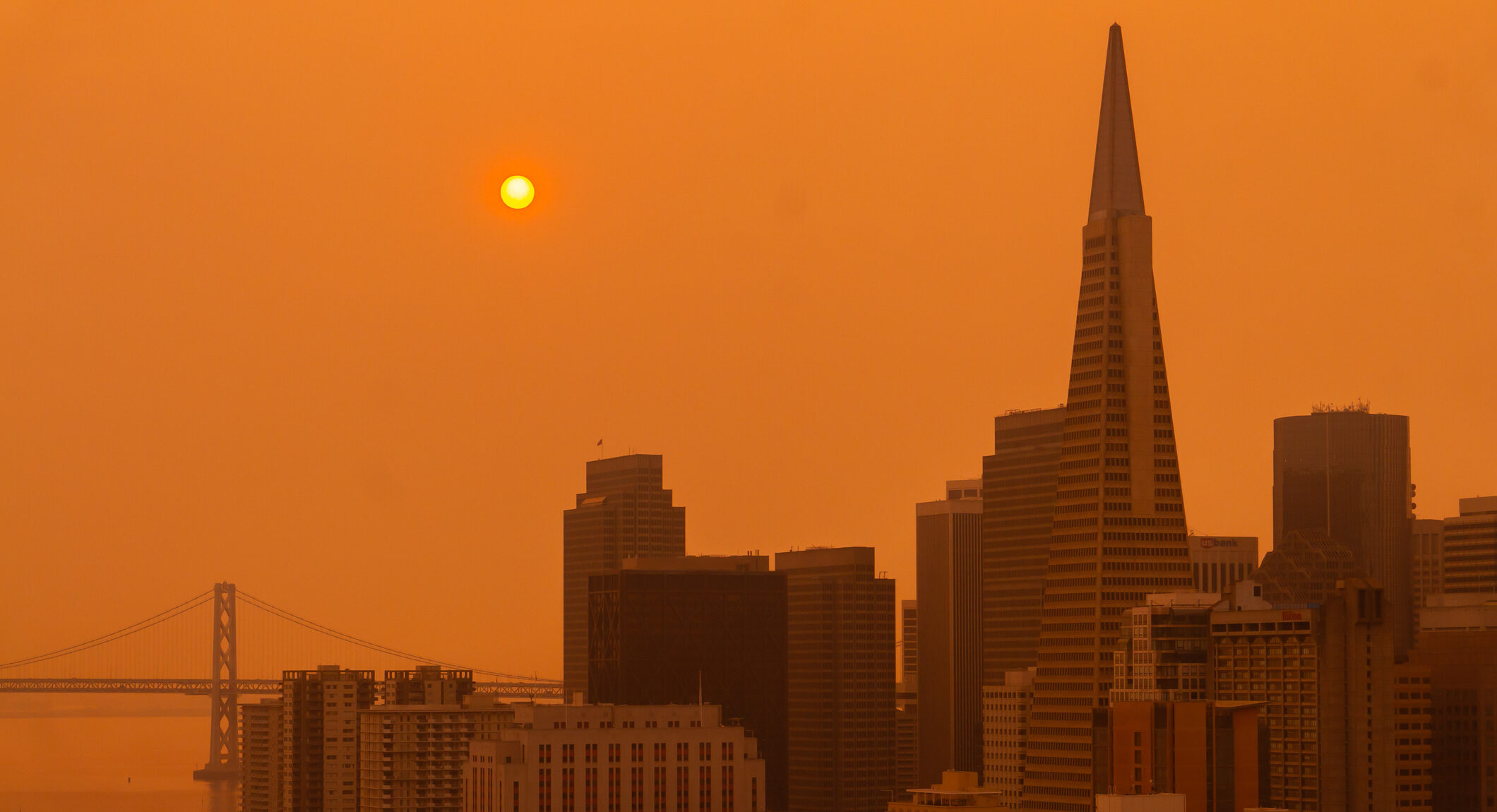
Even when you are indoors, you’re not completely safe from the effects of bad air quality. As the Environmental Protection Agency (EPA) noted, wildfire smoke can get inside your home in a few different ways:
- Natural Ventilation: This is when wildfire smoke gets inside through open doors or open windows.
- Mechanical Ventilation: This is when wildfire smoke gets inside through the bathroom fan, the kitchen fan, air conditioning, or any HVAC systems.
- Infiltration: This is when wildfire smoke seeps into a home or business through small openings or cracks in the premises.
How to Check the Local Air Quality Index (AQI) During a Wildfire
Many weather websites will include some information on the AQI.
We recommend checking out the U.S. Air Quality Index. You can type in your zip code and get a good sense of local air quality. Many local news outlets and universities will similarly have AQI updates available, especially during California’s long wildfire season.
As always, we also recommend looking for the latest updates on CAL FIRE whenever your area is in danger.
Do’s and Don’ts When Wildfires Affect the Air Quality Near You
Here are just a few additional do’s and don’ts to keep in mind the next time a California wildfire impacts the local air quality in your neighborhood.
- Stay Indoors When the Air Quality Is Poor: The air quality outdoors is far worse than it is indoors. Stay inside as much as possible so you can breathe air that’s been filtered and purified. Only go outdoors to get supplies or for any necessary activities.
- Bring Your Pets Inside on Bad AQI Days: If you have a dog, a cat, or any pets, bring them indoors until the air quality improves. Only take them outside as necessary, but keep them inside where the air is safer.
- Keep Your Doors and Windows Closed: Particles from wildfire smoke can seep in through all kinds of openings. Make sure all windows and doors remain closed until air quality improves.
- Avoid Strenuous Physical Activities: Exercise and other vigorous activities will cause you to breathe harder. Limit your strenuous activities even indoors when wildfire smoke ruins the local air quality.
- Do Not Vacuum, Use a Gas Stove, Burn Candles, or Fry Foods: These simple everyday activities can lead to indoor air pollution. Avoid these activities until the air quality is better.
- Wear a Mask If You Need to Go Outdoors: Whenever you need to go outside, even for brief periods of time, put on your N95 mask. Consider wearing that eye protection as well. Always protect yourself and limit smoke exposure.
- Use the Air Recirculation Button If You Need to Drive: If you’re driving during a wildfire, shut all doors and windows and hit the air recirculation button. This will prevent harmful outside air from getting inside your vehicle as you run an errand or evacuate.
Property Damage from Wildfire Smoke and Other Pollutants in the Air
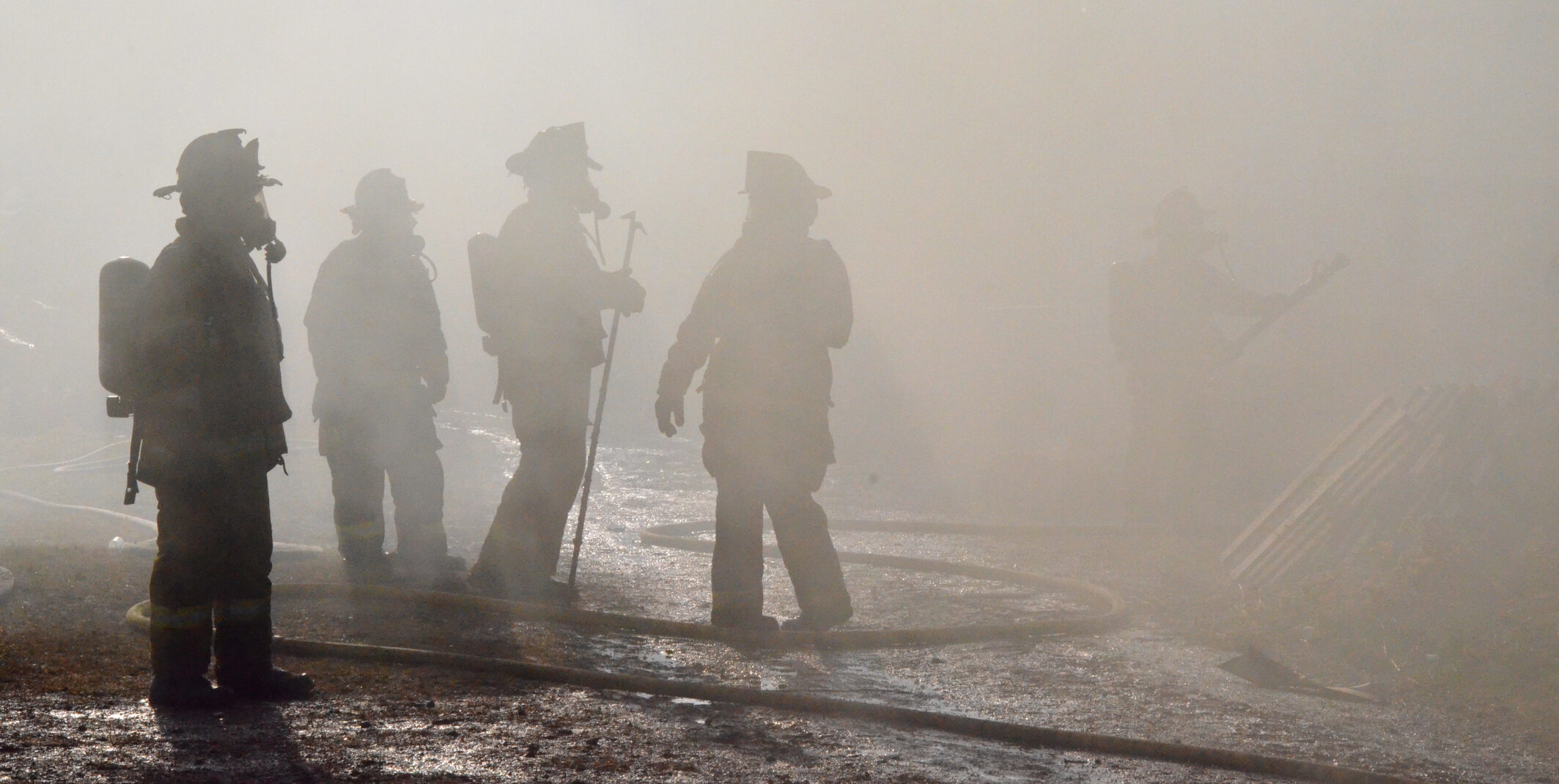
We often think of burn damage after a wildfire, but smoke and soot can be just as harmful to a residential or business property. A report from CBS KCAL News in Los Angeles noted that some Altadena residents hired cleaning crews to help get rid of particulate matter and harmful substances.
Even relatively moderate cleaning jobs can take a few days before the premises is clear of PM 2.5 and other substances.
Toxins Can Linger in the Aftermath of a Wildfire
Cleaning crews can government agencies can help remove soot, smoke damage, particulate matter, and even some toxic substances after a fire. Yet massive wildfires can produce a lot of toxins that wind up in the soil of a rebuilt neighborhood and surrounding communities.
Last year, we discussed how toxins can remain in the air and soil long after a wildfire. After the Camp Fire in 2018, the Army Corps of Engineers removed six inches of soil in the area to help get rid of toxic substances left by the fire. However, testing found that additional inches of soil needed to be removed because of toxins still present in the ground.
As we mentioned, wildfire smoke exposure can take years to manifest and cause serious harm. The smoke may not be present, but the toxic shadow of a wildfire could remain and impact your household for years to come.
How to Protect Yourself While Inspecting Property After a Wildfire
As we mentioned before regarding what to do after a wildfire, here are a few tips as you’re returning to your property after a fire and giving it an initial inspection:
- Return to the property during daylight hours
- Inspect the exterior of the property before proceeding inside
- Wear an N95 mask or respirator mask
- Wear goggles or other eye protection
- Wear thick work gloves
- Wear long sleeves
- Wear work pants
- Wear sturdy boots

Can I Sue for Property Damage and Respiratory Illness After a Wildfire?
Yes. If your home or business were damaged by a wildfire, or if you suffered from health issues due to exposure to wildfire smoke, you may be able to sue a utility company for its negligence.
The team at Danko Meredith has helped many Californians file personal injury lawsuits and wrongful death lawsuits against utility companies that played a role in a wildfire.
Our law firm is ready to take on Pacific Gas & Electric (PG&E), Southern California Edison (SCE), and San Diego Gas & Electric (SDG&E) when their negligence jeopardizes the health and safety of regular people.
How Danko Meredith Can Help You Seek Compensation
Danko Meredith has built a reputation for taking on utility companies when their actions lead to property damage and serious injuries or illness. Our attorneys are on your side every step of the way, and we are not afraid to take on PG&E, SCE, and SDG&E.
We Can Hold Negligent Utility Companies Accountable
Danko Meredith has a history of holding utility companies accountable for their role in wildfires and other major disasters.
In addition to our work with families affected by the Dixie Fire, the Camp Fire, and the Butte Fire, Danko Meredith has also worked with survivors of the 2010 San Bruno gas pipeline explosion and the 2023 fires in Maui.
We Can Level the Playing Field While Seeking Compensation
Utility companies usually have high-powered legal defense teams in place, and they’ll pressure people into settling for less than their case is worth.
At Danko Meredith, we’ve often worked on difficult cases and achieved meaningful results for our clients. We’re ready to take on major companies and their legal teams. As we’ve said numerous times before, we may be outnumbered, but our firm will not be out-lawyered.
We Can Provide Peace of Mind While You Recover
If you’re healing from a medical issue caused by smoke inhalation, it can take a long time to recover. This anxiety is compounded if your home has been damaged or destroyed due to a fire.
At Danko Meredith, we offer clients peace of mind by providing updates and answering any and all questions when they arise. Consultations are free, and we represent clients on a contingency fee basis. That means there are no upfront costs, and we only get paid if we secure a settlement or win in court.
Request a Free Consultation with Our Wildfire Attorneys
Did you suffer an illness because of wildfire smoke? Was your home damaged or destroyed in a utility-caused fire? Danko Meredith is here to help. To request a free consultation with our wildfire attorneys, contact our Bay Area law firm today. You call our Redwood City law office at (650) 453-3600.