

Yes, homeowners insurance can cover various kinds of damage in a wildfire, including damage to your home and other structures on your property, damage to your personal belongings, and additional living expenses (ALE) while you’ve been evacuated or displaced. However, there may be limits on how much you receive, which means not all property damage is sufficiently covered.
These questions have been coming up a lot lately. The unseasonably hot weather here in California has raised concerns among homeowners about what the upcoming wildfire season could bring. The team at Danko Meredith would like to review a few basics about homeowners insurance after a fire, and the potential to sue for damages if a utility company like Pacific Gas & Electric (PG&E) causes a fire near you and your neighborhood.
If you need to discuss damage in a wildfire with an attorney, contact Danko Meredith today. Consultations are free, and you don’t pay unless we win. You can also call our Redwood City office at (650) 453-3600.
What Homeowners Insurance Generally Covers in a Wildfire
Your homeowners insurance will typically help cover these losses in a wildfire:
- Damage to Your Home: This refers to repairs to your dwelling and any associated rebuilding costs.
- Damage to Other Structures on Your Property: Repairs to other structures on your property, like a garage or shed.
- Damage to Personal Belongings: Any belongings in your home are usually covered, including furniture, clothing, televisions, electronics, beddings, and so on.
- Living Expenses While Evacuated from Home: During evacuation or while your home is being repaired, you may have additional living expenses covered, such as hotels or Airbnbs, meals, and temporary housing/rentals.
What Homeowners Insurance Does Not Cover in a Wildfire
Homeowners insurance will not cover the following in a wildfire:
- Damage to Gardens and Landscaping: Your garden, your lawn, and any trees or plants on your property are typically not covered or have limited coverage.
- Damage to Your Vehicle: If a vehicle gets damaged during a wildfire, this will not be covered by your homeowners insurance. This will likely be covered by your auto insurance instead.
- Your Own Medical Expenses from the Fire: If you’re hurt in a wildfire or have a respiratory condition caused by wildfire smoke, your medical bills will be covered by your health insurance rather than your homeowners insurance.

Potential Issues with Homeowners Insurance After a Wildfire
While insurance covers damage in a wildfire, homeowners may notice the following issues with their claim and how much they receive.
Underinsurance
Your policy limit may be too low to fully repair or rebuild your home after a wildfire. These issues are made worse since prices can surge as other homeowners in the region attempt to rebuild. People who assumed they had sufficient coverage may still have to pay tens of thousands or even hundreds of thousands out of pocket to rebuild after a wildfire.
Delays in Processing Your Claim
When dealing with campaign fires, complex fires, and megafires, thousands of homeowners may be filing claims around the same time. This can overwhelm insurers, delaying the inspection process and eventual payouts.
Limits on Additional Living Expenses
It can take months or over a year before you can finally rebuild/repair and return to your home. Your coverage may have a limit on how much food and temporary housing are covered. It’s not uncommon to exhaust your benefits before you can finally move back in.
Depreciation/Actual Cash Value (ACV)
Some insurance policies pay actual cash value for the items you lose in a fire. This includes the depreciation of value for these items. You could be paid far less than it costs to replace your items due to actual cash value.
Disputes Over Smoke-Related Damage
We know that there’s a risk of serious harm from wildfire smoke without protection. Particulate matter can get into clothes and furnishings. However, insurance providers may claim that property destroyed by wildfire smoke simply needs to be cleaned rather than replaced. This can lead to lengthy disputes.
What to Do If Your Home Gets Damaged in a Wildfire
If your home is damaged in a wildfire, here are a few tips on how to check damage around your house safely.
- Return to Your Home When Instructed and During the Daytime: Only return to your home when you’ve been allowed to do so by local authorities. You should also only return to your home during daylight hours.
- Carefully Inspect the Outside of Your Property: Check the outside of your home first for any smoke and hotspots. You can then assess the damage to the exterior of your property.
- Carefully Proceed Inside to Assess the Damage: After checking the outside for damage, you can then proceed inside. Wear a mask to protect yourself from smoke inhalation and any particulate matter.
- Document All Damage for Your Insurance Company: Take photos and video of all damaged property and belongings. A good video walkthrough can help document the extent of the damage.
- Dispose of Spoiled Food and Fire-Damaged Items: If there was any food or perishables that were burned or exposed to wildfire smoke, throw them away. You should also throw away any linens or pillows that were exposed to wildfire smoke or flames.
Danko Meredith has previously looked at how to prepare for a wildfire and what to do after a wildfire on our blog. We encourage you to read through those posts for more detailed information that can protect you, your loved ones, and the value of your claim.
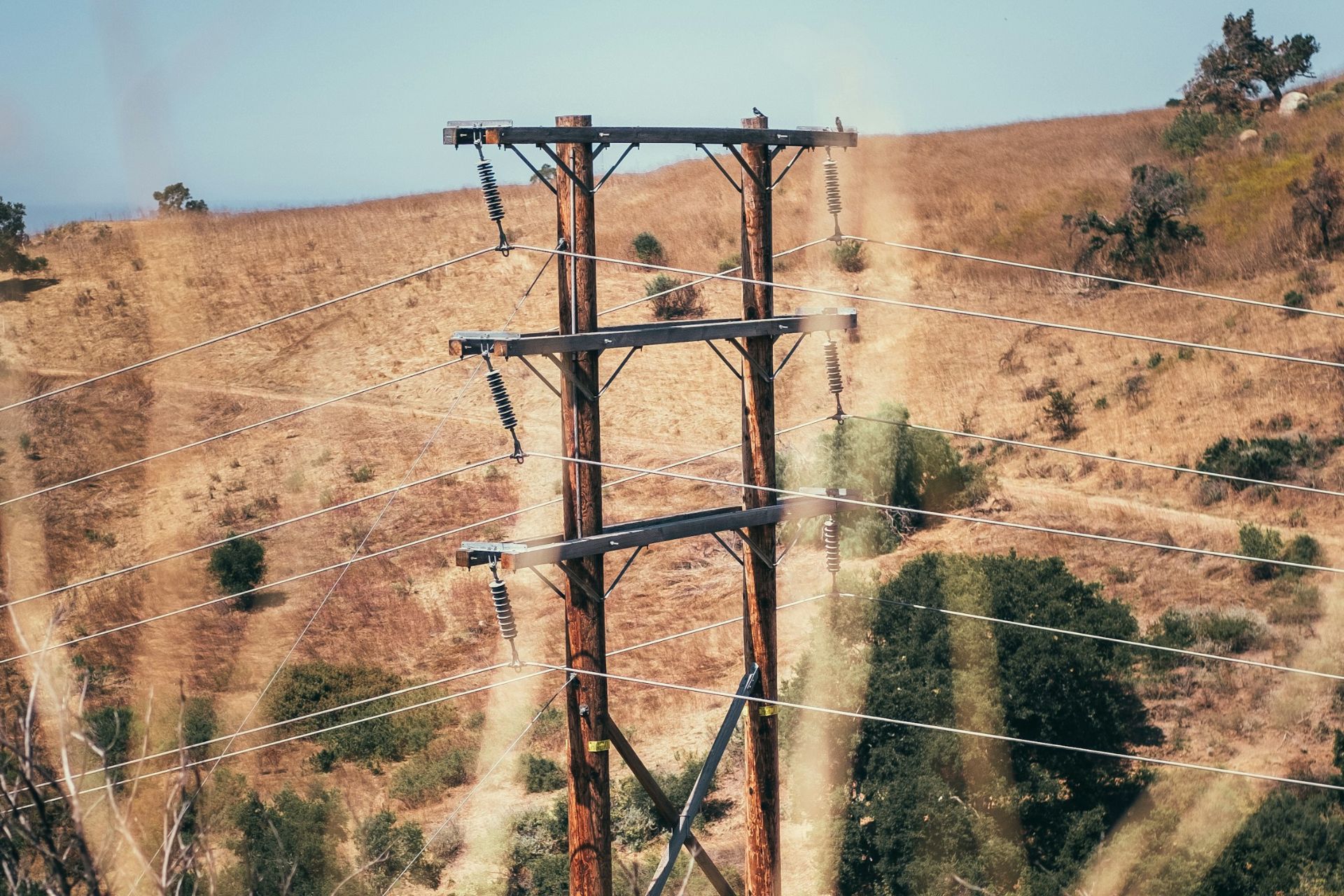
Can I Sue If a Utility Company Caused the Fire That Damaged My Home?
Yes. Having homeowners insurance does not prevent you from filing a lawsuit against a liable party. In fact, many homeowners have sued PG&E, Southern California Edison (SCE), and San Diego Gas & Electric (SDG&E) in order to obtain additional damages and compensation for long-term losses.
PG&E has caused multiple California wildfires over the years, which have led to many lawsuits against the utility. A 1997 report from SFGate/The San Francisco Chronicle cited an investigation by the California Department of Forestry. This investigation found that PG&E’s negligence caused or contributed to several major wildfires and hundreds of smaller California wildfires prior to 1994.
What Causes Utility Wildfires?
Some of the most common causes of utility fires in California include:
- Poor Maintenance or Lack of Repairs to Equipment: Some utility companies feel it’s more cost-effective to let their equipment break down than to repair or maintain this equipment. At Danko Meredith, we call this the “run to failure” mentality, and it’s an egregious example of putting profits over public safety.
- Failure to Clear Trees and Branches from Strike Zones: Trees, tree limbs, and branches can all spark wildfires if they make contact with power lines. Utility companies need to clear away vegetation from strike zones.
- Failure to Shut Off Power During Red Flag Events: Utility companies are allowed to shut off power during red flag warnings. This includes extremely dry weather conditions and sustained heavy winds or wind gusts. When utility companies do not shut off power, it can cause dangerous line strikes and fires.
Examples of Utility-Caused Wildfires in California
Many fires have been caused by utility companies over the years. Here are just four notable utility fires that have happened in the last decade or so.
- The Eaton Fire (2025): The Eaton Fire was caused by a zombie power line, which is a decommissioned power line that got reignited. One of the deadliest and most destructive wildfires in California history, the Eaton Fire killed 19 people and destroyed more than 9,400 structures.
- The Dixie Fire (2021): The Dixie Fire was caused by a fir tree that made contact with a power line. One of the largest fires recorded in California, the Dixie Fire burned more than 963,000 acres and destroyed more than 1,3000 structures across several counties.
- The Camp Fire (2018): The Camp Fire was caused by a failed hook that allowed a power line to strike a transmission tower. The deadliest wildfire in California history, the Camp Fire killed 85 people and destroyed the town of Paradise.
- The Butte Fire (2015): The Butte Fire was caused by a tree that made contact with a power line. The resulting fire burned over 70,800 acres in Amador County and Calaveras County.
In each of these four wildfires, the team at Danko Meredith has helped or is currently helping homeowners and renters seek compensation.
Damages in a Utility Wildfire Lawsuit
Damages sought in a utility wildfire lawsuit may include:
- Additional costs related to the repair or rebuilding of your home
- Additional costs for temporary lodging or relocation
- Additional costs associated with property damage from the fire
- Physical injuries sustained during a wildfire, such as severe burns
- Lasting psychological trauma and post-traumatic stress disorder from a wildfire
- Lost earnings and loss of future earning potential due to injuries or other factors
- The loss of a loved one in a wildfire or due to wildfire-related health complications

Why You Should Reach Out to Danko Meredith After a Wildfire
Taking on utility companies like PG&E can be extremely challenging. You may not know how to get the process started or if you have a viable case. That’s why it’s important for homeowners to speak with skilled California wildfire attorneys like the team at Danko Meredith.
During a free and confidential consultation, our lawyers will listen to your story and let you know if you can take action and what we can start doing in the immediate future to hold PG&E accountable.
We Have a Record of Taking on Utility Companies
Our attorneys have spent years taking on PG&E and other utility companies. In addition to our work in the utility wildfires mentioned above, we’ve proudly worked with survivors of the 2023 Maui wildfires in Lahaina in holding Hawaiian Electric accountable. In addition, our law firm secured a confidential settlement for families affected by the 2010 PG&E pipeline explosion in San Bruno.
We Understand How to Approach Utility Fire Cases
Taking on utility companies isn’t easy. They have powerful defense attorneys in place and have ways of reducing payouts to those affected by fires they caused or contributed to. At Danko Meredith, we may be outnumbered by these utility company attorneys, but we won’t be outlawyered.
Our law firm will make sure your story as a homeowner is heard. Our lawyers will also help ensure that any compensation sought accurately reflects the damage to your home, your financial losses, and other damages you’ve experienced from the fire.
Our Clients Pay Nothing Unless We Win for Them
Losing your home and your belongings in a fire is a tragedy, and you may feel too overwhelmed to consider the legal fees associated with a lawsuit. Some people avoid seeking legal representation because they think it’s beyond their means.
At Danko Meredith, we offer free case reviews and representation on a contingency fee basis. You pay nothing upfront, and you only pay legal fees if our attorneys negotiate a settlement or secure damages in a trial. If we don’t win, you pay nothing.
Contact Danko Meredith About Wildfire Damage to Your Home
If your home was destroyed or damaged in a utility-caused wildfire, you need lawyers on your side who can fight for fair compensation. At Danko Meredith, our lawyers can make sure California utility companies get held accountable when their actions put lives and livelihoods in danger. To request a free consultation, contact our law firm today. You can also call us in Redwood City at (650) 453-3600.