

Yes, renters insurance can cover damage to your personal belongings in a wildfire as well as living expenses while you are evacuated from your home. While renters insurance can be helpful after a wildfire, there are many limits on what can be covered, and you may find that your expenses are not fully addressed by your policy.
Many renters here in California have asked this question because of the unseasonably hot weather. It’s raised concerns about the wildfire season this year, and how much renters insurance can help in case of a disaster. Our law firm would like to look at some of the basics regarding renters insurance and when there’s been a fire in your neighborhood. We’ll also discuss the potential to sue a utility company if they caused a wildfire near you.
If you have any questions about utility fires or your legal options after a California wildfire, contact Danko Meredith today. You can also call our office in Redwood City at (650) 453-3600. Consultations are free and confidential, and you don’t have to pay unless we win.
What Renters Insurance Generally Covers After a Wildfire
Your renters insurance will typically cover these losses in a wildfire:
- Personal Belongings Damaged in a Fire: This refers to damage to furniture, clothing, bedding, entertainment systems, electronics, and so on.
- Additional Living Expenses (ALE) While Evacuated: During evacuation or while your home is not habitable, you may have additional living expenses covered, such as hotels or Airbnbs, meals, and temporary housing.
What Renters Insurance Does Not Cover in a Wildfire
Renters insurance will not cover the following in a wildfire:
-
- Damage to the Rental Property: Since you do not own the apartment or house yourself, your renters insurance will not cover repairs, rebuilding, or cleaning costs.
- Damage to Your Vehicle: If a vehicle gets damaged during a wildfire, this will not be covered by your renters insurance. This will likely be covered by your car insurance instead.
- Property Belongings to Roommates: Unless listed under your policy, any roommate’s belongings will not be covered.
- Your Own Medical Costs Related to the Fire: If you are burned in a fire or suffer harm due to smoke inhalation, your medical bills will not be covered by your renters insurance but by your health coverage.

Possible Issues with Renters Insurance After a Wildfire
Even though insurance can help you after a wildfire, many renters run into these issues after filing a claim.
Not Enough Coverage for Everything That Was Lost
Renters insurance policies often have a limit on how much property is covered. If you lose everything in a fire at a rental property, you may only receive enough money to cover a fraction of your belongings.
Disputes on Actual Cash Value (ACV) vs. Actual Costs
Many insurance policies will pay actual cash value, which means how much your property is worth today (after depreciation). This is different from the replacement cost, which is how much it would be to replace items if they were new. If you’re paid actual cash value, you may receive far less than you expect.
Limits on Additional Living Expenses
You may not be able to return to your home for months after a wildfire. Many people exhaust their ALE coverage and have to shoulder their temporary housing costs on their own.
Disputes Over Smoke-Related Damage
Smoke can ruin furnishings, clothing, and electronics even if these items are not touched by flames. Insurance companies may claim certain items just need to be cleaned rather than replaced as a way of reducing payouts to renters.
Disputes Over What Property You Actually Owned
Insurance companies may require you to have an inventory of all your lost items. If you lack photos, receipts, and records of the items you own, you may not receive a payout for certain property that was destroyed in a wildfire.
Delays in Processing Claims
When dealing with campaign fires, complex fires, and megafires, there may be thousands of people filing insurance claims around the same period of time. This influx of claims can overwhelm insurers, delaying the inspection process and eventual payouts.
What to Do If Your Property Gets Damaged in a Wildfire
As you return to your rental property after a wildfire, here are a few tips on what you should do.
- Return to Your Home When Instructed and During the Daytime: You should only return to your house or apartment when local authorities have given the okay. You should also only return home during daylight hours.
- Carefully Return Home to Inspect Your Property: Before proceeding inside your home or apartment, check the exterior for any smoke or hotspots. You should only head inside when your safety is assured. Consider wearing a mask as well as goggles, long sleeves, work boots, and durable pants.
- Document All Damage for Your Insurance Company: Take videos and photos of all damaged belongings. You may want to consider a video walkthrough to help capture all damaged property.
- Discard Spoiled Food and Fire-Damaged Items: Throw away any food that was damaged by flames/heat or that got exposed to wildfire smoke. You should also throw away linens, pillows, and other belongings that were damaged by flames or smoke.
Our law firm has previously offered some advice on how to prepare for a wildfire and also on what to do after a wildfire has affected your neighborhood. We encourage you to read through those past posts to help protect you, your family, and the value of your claim.
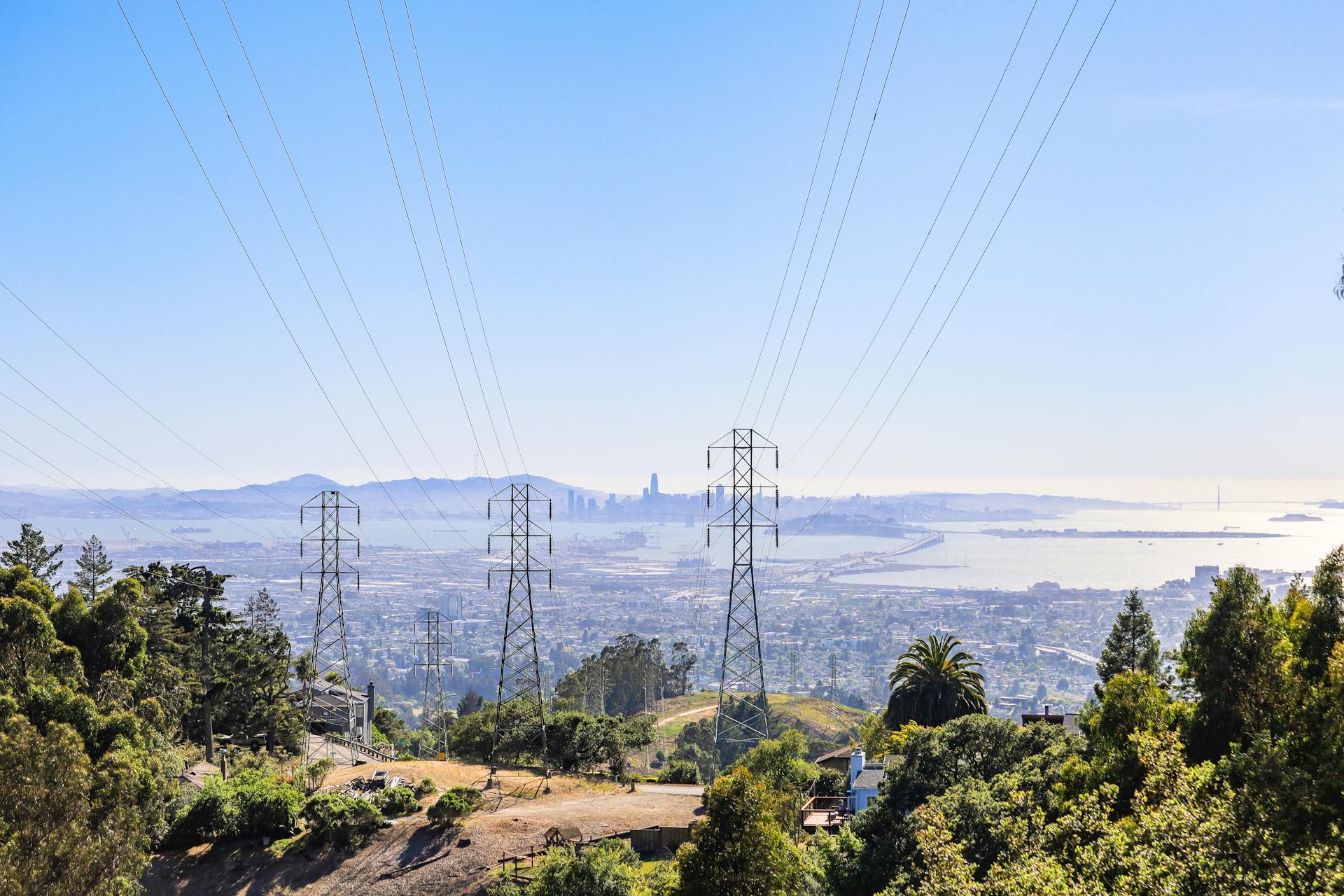
Can I Sue If a Utility Company Caused the Fire That Damaged My Belongings?
Yes. Having renters insurance doesn’t waive your right to file a lawsuit against Pacific Gas & Electric (PG&E), Southern California Edison (SCE), or San Diego Gas & Electric (SDG&E).
Your renters insurance will help you receive compensation sooner than a lawsuit, but filing a legal action against a utility company can help you recover additional damages, including compensation for long-term losses.
Common Causes of Utility Wildfires
Some of the most common causes of utility wildfires in California include:
- Poor Maintenance or Lack of Repairs to Equipment: Utility companies may feel that it’s more cost-effective to let their equipment degrade or break down than to make necessary repairs. This “run to failure” mentality puts profit over the safety and well-being of regular Californians.
- Failure to Clear Trees and Branches from Strike Zones: Wildfires can be sparked whenever trees, tree limbs, or branches make contact with power lines. Utility companies need to make sure these strike zones are kept clear of hazards.
- Failure to Shut Off Power During Red Flag Events: The law allows utilities to shut off power if there are red flag warnings about potential fires. These warnings often arise during sustained heavy winds and extremely dry conditions. If utilities fail to be proactive about shutting off power, it could lead to a dangerous line strike.
Notable Utility Wildfires in California
There have been many utility fires in California. In fact, we’ve compiled a list of notable fires caused by PG&E alone. Here are four of the most notable utility wildfires in the state in the last decade or so.
- The Eaton Fire (2025): The Eaton Fire killed 19 people and destroyed more than 9,000 buildings, many of which were located in Altadena. This wildfire was likely caused by a “zombie power line” attached to a decommissioned SCE tower. The Eaton Fire is ranked among the most destructive wildfires in California history.
- The Dixie Fire (2021): The Dixie Fire burned more than 963,000 acres and destroyed more than 1,3000 structures across several California counties. One of the largest fires in the state’s history, the Dixie Fire was caused by a tree that made contact with a power line.
- The Camp Fire (2018): The Camp Fire is the deadliest wildfire in state history, causing 85 deaths and destroying the town of Paradise. It was caused by the failure of a single metal hook that allows a power line to make contact with a transmission tower.
- The Butte Fire (2015): The Butte Fire burned over 70,800 acres in Amador County and Calaveras County. It was caused by a tree that made contact with a power line.
In each of these four fires, Danko Meredith has helped or is currently helping renters and homeowners seek compensation.
Compensation in a Utility Wildfire Lawsuit
Compensation sought in a wildfire lawsuit may include:
- Additional costs for temporary lodging or relocation
- Additional costs associated with property damage from the fire
- Physical injuries sustained during a wildfire, such as severe burns
- Lasting psychological trauma and post-traumatic stress disorder from a wildfire
- Lost earnings and loss of future earning potential due to injuries or other factors
- The loss of a loved one in a wildfire or due to wildfire-related health complications

Why Turn to Danko Meredith for Help After a Wildfire
If you’ve lost your belongings in a utility fire and have had to relocate or rely on temporary housing, you need our California wildfire attorneys on your side. Danko Meredith has represented many Californians over the years whose lives have been forever altered by companies like PG&E, SoCal Edison, and SDG&E.
When you come to our attorneys for a free and confidential case review, we will listen to you carefully. We will let you know if you have a case, what steps to take next, and what we can do in the immediate future to start holding the utility company accountable.
We Have a Record of Taking on Utility Companies
Danko Meredith has worked on many cases involving utility companies. In addition to the utility fires mentioned above, our attorneys have also helped fire survivors take on Hawaiian Electric for its role in the 2023 Maui wildfires in Lahaina. We also secured a confidential settlement for people affected by the 2010 PG&E pipeline explosion in San Bruno.
We Understand How to Approach Utility Fire Cases
Over the years, our lawyers have learned how to approach cases that involve utility-caused wildfires. We understand what renters go through in the aftermath of a fire, what expenses they accrue, and how companies attempt to limit their payouts to fire survivors.
Danko Meredith also knows that your individual story is important. We will help ensure the compensation you receive accurately reflects your experiences and your losses.
Our Clients Pay Nothing Unless We Win for Them
If you’ve lost your home and belongings in a wildfire, you already have plenty of bills to worry about. You may still be waiting for that payout from your renters insurance. The cost of hiring a lawyer may seem too steep at the moment.
This is why Danko Meredith offers free consultations and representation on a contingency fee basis. This means clients only pay us if we can secure a settlement or win damages in court. If we don’t win, you don’t pay.
Contact Danko Meredith About Wildfire Damage to Your Property
If your property has been damaged or destroyed in a wildfire caused by PG&E or another utility company, Danko Meredith is here to help. We know how to hold utility companies accountable if they cause a wildfire in your area. For a free case review, contact our law firm today. You can reach our Redwood City office by phone at (650) 453-3600.