
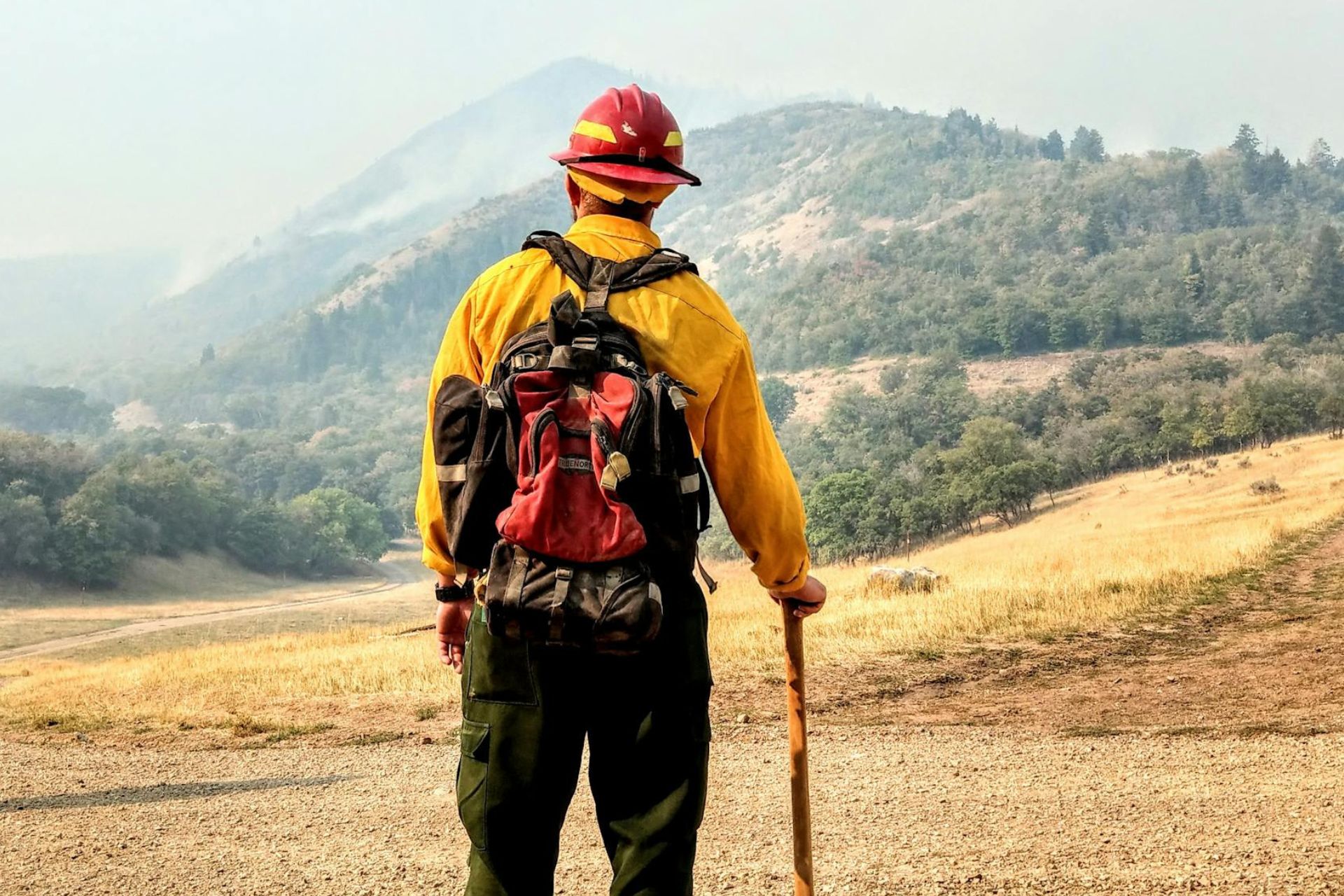
Containment means that a defensive line has been created around the perimeter of a wildfire. This perimeter helps prevent flames and embers from spreading beyond the area of containment. The California Department of Forestry and Fire Protection (CAL FIRE) reports containment in percentages, which provides a sense of how much crews have surrounded the fire and how confident they are that flames will not spread beyond the contained area.
The experienced California wildfire attorneys at Danko Meredith would like to provide a general overview of wildfire containment, wildfire control, when wildfires are considered put out, and the challenges firefighters face while trying to contain a massive blaze.
If you were affected by a California wildfire caused by a utility company, you may be able to seek compensation. Find out if you have a claim. For a free consultation, contact our Bay Area law firm today. You can also call Danko Meredith at (650) 453-3600.
Understanding Wildfire Containment
Think of wildfire containment as drawing a line around a large wildfire. Firefighters will create a defensive perimeter around the wildfire to prevent it from growing and spreading. This perimeter consists of fire lines, which means that the vegetation in the area has been cleared away or treated to prevent the fire from spreading.
As the Western Fire Chiefs Association points out, containment doesn’t mean the fire is out or that it is safe to go near it. A fire that is contained means that fire crews have successfully created a perimeter around the entire fire and can then concentrate on getting it under control and putting it out.
What Do Fire Containment Percentages Mean?
Fire agencies and news reports usually refer to fire containment in terms of percentages. When a fire is 50% contained, that means a perimeter has been created around 50% of the wildfire area. The percentage refers to the total amount of firebreaks around the given wildfire.
There was an informative video by CAL FIRE released in 2020 during the massive CZU Lightning Complex fires. In that video, there’s a clear demonstration of the contained area of that fire and the uncontained parts of the fire where crews have yet to create the defensive perimeter.
Even when a wildfire is 100% contained, firefighters will still need to go in and “mop up” the various flames and hotspots to fully extinguish the fire.
Why Do Containment Percentages Sometimes Get Lower?
Sometimes officials state that a wildfire is 40% contained only to say the fire is 25% contained hours later. Why is that?
Well, these disasters can be difficult to contain given how wildfires grow, travel, and spread. Heavy winds may cause flames to jump over natural firebreaks and vegetation covered in fire retardant. Fire crews may have trouble reaching certain parts of a fire, which means its growth cannot be suppressed.
These changes in containment are to be expected while dealing with campaign fires, complex fires, and megafires.
Contained vs. Controlled vs. Put Out: What’s the Difference?
You may have heard that a wildfire is contained, controlled, or put out. There’s a lot of confusion about what’s really being said about a massive fire that’s being fought because these words aren’t always defined for the public.
A 2017 video from KXTV ABC10 in Sacramento offered simple definitions for containment, control, and when a wildfire is actually put out.
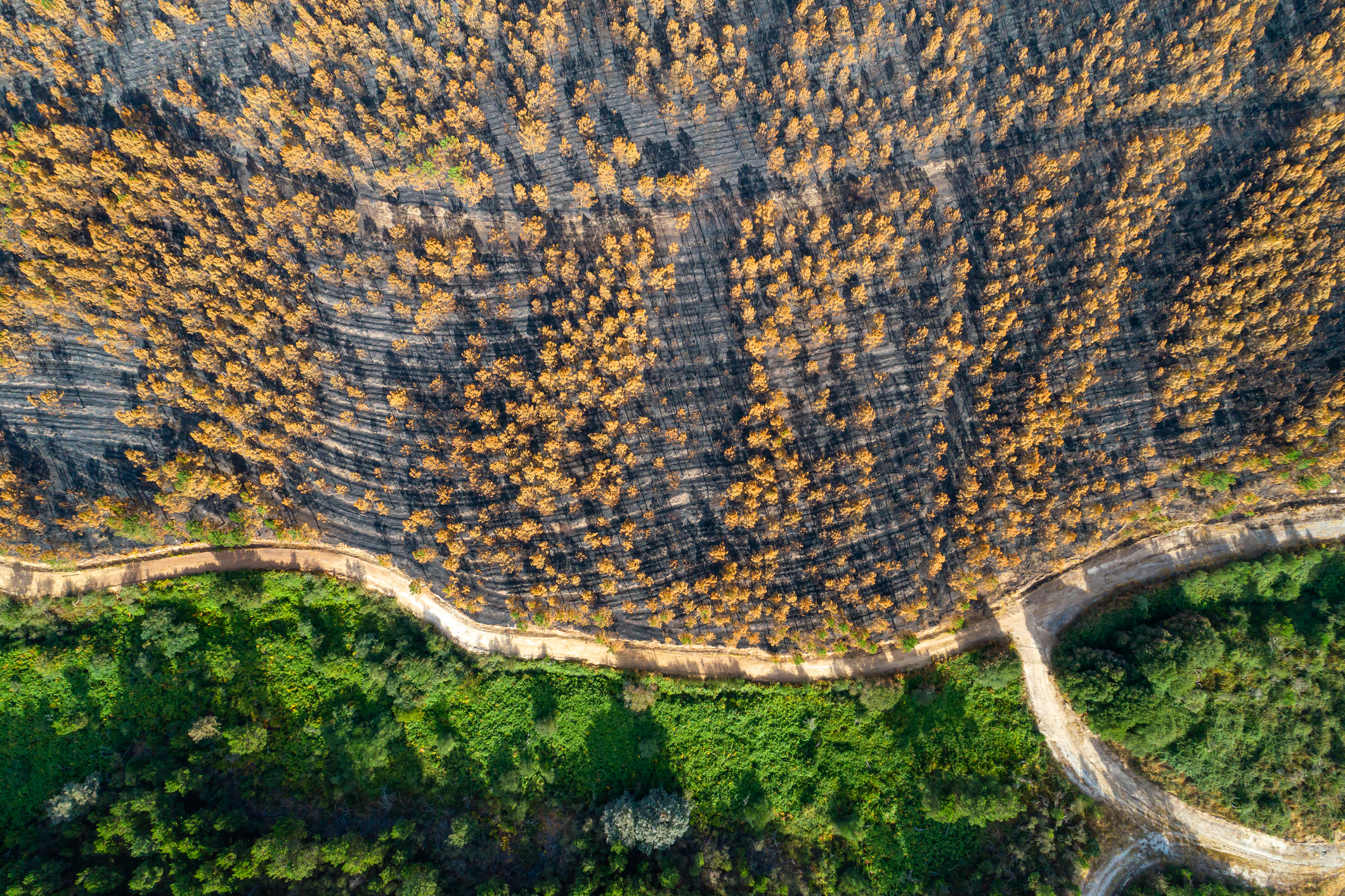
- “The wildfire has been 100% contained.” – This means that a full perimeter has been created around the wildfire. The fire may still be burning, but it’s not going to spread.
- “The wildfire is controlled.” – This means that firefighters have now entered the perimeter of the contained wildfire and have begun to put out hotspots and clear away potential fuel. The goal is to prevent the progression of the wildfire.
- “The wildfire has been put out.” – A wildfire is considered put out when all of the hotspots and flames have stopped burning for 48 hours. This is often completed by ground crews that “mop up” a wildfire and ensure hotspots are extinguished.
How Do Firefighters Contain a Wildfire?
A 2025 feature by the U.S. Forest Service quoted Nick Bunch, the Acting Fire Management Officer for the Six Rivers National Forest. It’s worth noting what he said before we provide some examples of containment techniques.
Bunch said, “Fighting fire takes a variety of resources and specialties; no two fires are the same.” He added, “The unique nature of each fire determines the specific resources needed to effectively engage in firefighting efforts.”
Below is just a general overview of what fire crews often do when they try to contain a wildfire.
Assessing the Wildfire’s Size
When the location and size of a wildfire have been determined, fire crews can then create a plan of attack. To measure the size and location of a wildfire:
- Ground crews may circle the perimeter of the fire
- Drones and aircraft can safely survey the terrain and the fire itself
- Mountaintop cameras in the area can assist in measuring the fire’s size
- Satellite imagery can be used to supplement these other approaches
Creating Containment Lines
Fire crews have a few ways of creating a perimeter around a wildfire and preventing its spread.
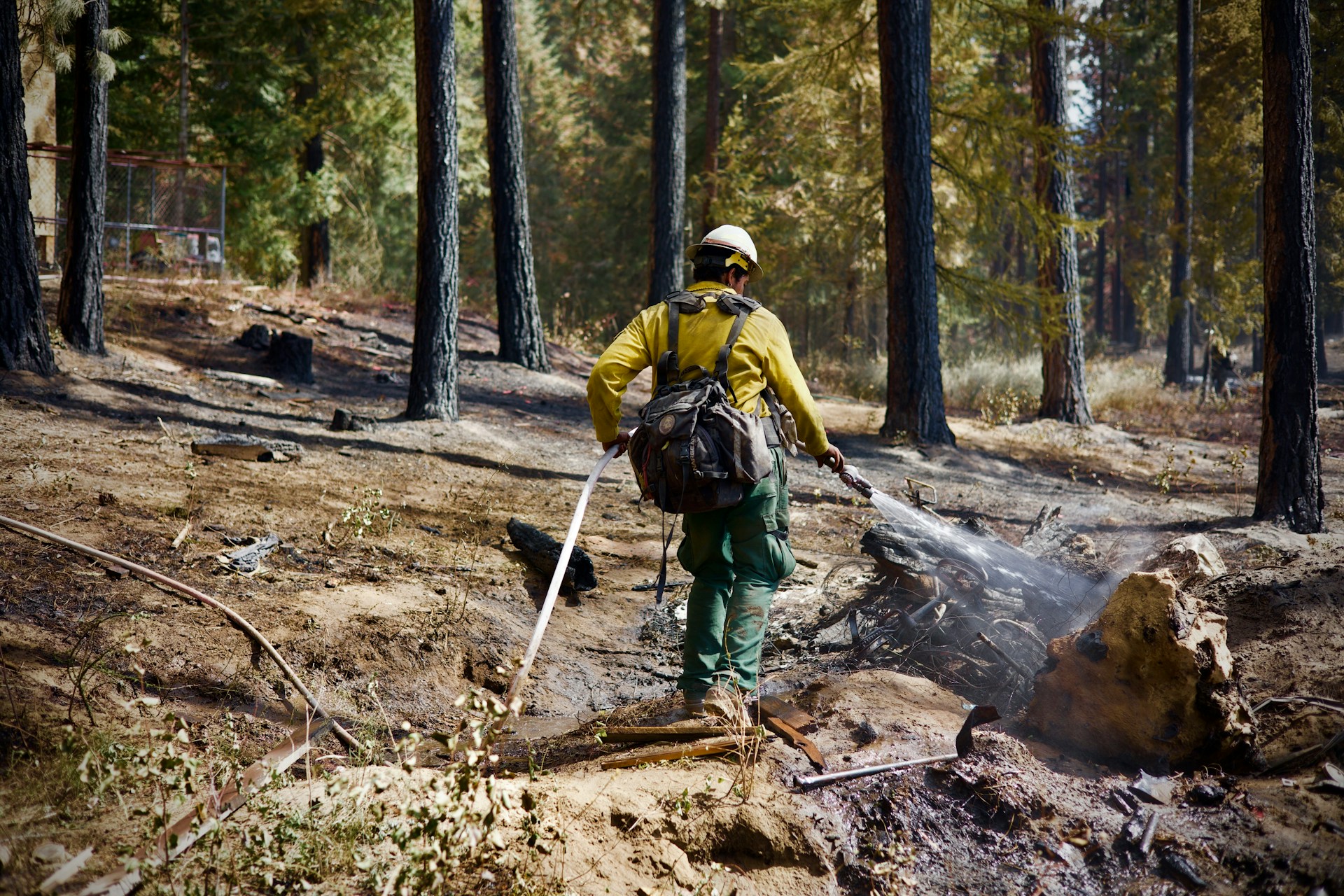
- Fire Lines: Ground crews can create emergency firebreaks, which involve clearing away combustible vegetation. This may be done with hand tools and by digging away any potential fuel for a spreading fire. Bulldozers can also be used to help create firebreaks far faster.
- Identifying Existing Fuel Breaks: The natural terrain and features around a wildfire can be considered to help create a perimeter. This includes any natural rivers or waterways, rocky terrain, large patches of bare soil, fire-resistant vegetation, and even man-made features like roads, highways, and other infrastructure.
Other Efforts by Ground Crews
In addition to creating fire lines, there are other ways fire crews can help create a defensive perimeter in a wildfire.
- Deliberate Backfires: It sounds counterintuitive, but firefighters can intentionally set backfires. These intentional fires consume the dry fuel in the area before the wildfire can get to it. This can potentially block the progression of a wildfire or change its direction.
- Fire Retardants: Ground crews can lay down long-term fire retardants in an area to help slow down a fire and reduce its intensity. Some fire retardants are designed to last for multiple days.
- Firefighting Foams: Synthetic firefighting foams serve two functions. First, they reduce the surface tension of liquids, which helps water saturate dry areas and keep them moist. Second, they prevent oxygen from reaching potential fuel sources, which is helpful in preventing reignition.
Smokejumpers in Remote Areas
When wildfires start in remote terrain, emergency crews may send in smokejumpers to help with initial fire suppression efforts.
Smokejumpers parachute into remote wildlands with enough supplies to remain self-sufficient for 48 hours. Once on the ground, a smokejumper uses hand tools, chainsaws, and other equipment to start creating strategic fire lines.
These firefighters are in an elite group, and they usually start the containment process hours before traditional ground crews.
Aerial Firefighting Efforts
Aerial firefighting has come a long way over the years to address the growing fire dangers in California. Reuters reported on CAL FIRE’s firefighting aircraft earlier this year.
CAL FIRE’s own fleet of over 60 aircraft operates from 14 different airfields and 11 different helicopter bases all over the state. This massive operation means that a CAL FIRE aircraft can reach a wildfire in the state in about 20 minutes.
Aerial fighting containment efforts typically involve a combination of:
- Tactical aircraft used to monitor the wildfire and help direct other aerial firefighting efforts
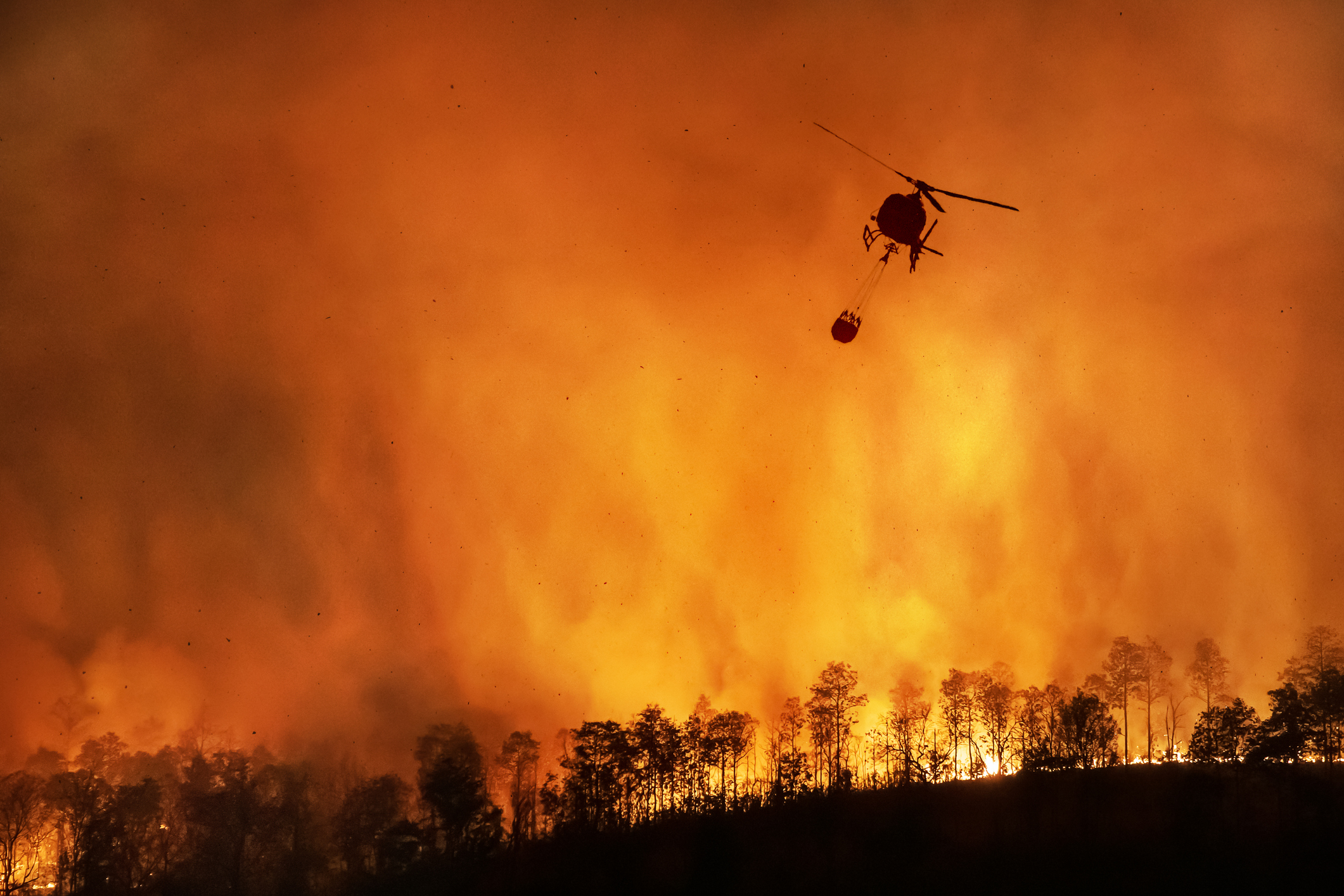
- Airtankers used to dump massive amounts of flame retardant or water
- Helicopters used to transport personnel and equipment, rescue civilians, or supplement airtankers in dropping water
Challenges to Containing a Wildfire
Containing a wildfire is easier said than done. These are just a few of the challenges that firefighters and disaster crews face while trying to suppress a massive wildfire:
- Heavy Winds: The Diablo winds in Northern California and the Santa Ana winds in Southern California can send embers over firebreaks and increase the intensity of wildfires. These strong winds can also cause nearby flames to act in unpredictable ways.
- Difficult Terrain: Even with aerial firefighting and smokejumpers, it’s hard to contain a fire that’s in mountainous or remote terrain. Fire crews may need to let these fires burn and strategically plan the best location for a fuel break in an accessible area.
- Ample Fuel Sources: California’s pattern of heavy rains and long drought conditions has been exacerbated by climate change. This typically leads to lots of dry brush and dead leaves that can easily ignite and spread a wildfire.
- Logistical Problems: Massive wildfires require careful coordination of multiple groups and resources. Damage to a water bomber or a helicopter could affect initial fire suppression strategies. There may also be issues with finding sufficient water sources for ground crews and aerial crews to use.
- The Risk of Holdover Fires: Just because a wildfire seems like it’s out doesn’t mean it’s fully extinguished. Sometimes hotspots remain hidden underground or are simply not detected by fire mop-up crews. Dry conditions and heavy wind could re-ignite the seemingly extinguished blaze, causing a holdover fire (zombie fire).
Why Do Wildfires Happen?
When people ask us why wildfires happen in California, we point out these common causes:
- Lightning strikes
- Firearms and fireworks
- Out-of-control campfires
- Arson and other intentional acts
- Mechanical defects
- Utility company negligence
Can I Sue a Utility Company for Damages in a Wildfire?
Potentially, yes.
If negligence by Pacific Gas & Electric (PG&E), Southern California Edison (SCE), or San Diego Gas & Electric (SDG&E) caused a major wildfire in your area, you can seek compensation for property damage, medical bills, loss of livelihood, and even the death of a family member.
Utility wildfires are usually the result of these companies cutting corners in order to put profits over public safety. The team at Danko Meredith can hold these utilities accountable.
Why Choose Danko Meredith for Your Wildfire Case
At Danko Meredith, our lawyers have more than 120 years of combined experience practicing law. This includes taking on utilities like PG&E, SoCal Edison, and SDG&E. Our Bay Area wildfire lawyers have the talent, grit, attention to detail, and resources to see a case through to trial. Utilities know Danko Meredith’s reputation. They know we won’t back down and settle for less.
Years of Experience Taking on Utility Companies
Danko Meredith has fought utilities and won. Our attorneys secured settlements for victims of the 2010 PG&E pipeline explosion in San Bruno. Our lawyers have also helped take on Hawaiian Electric for its role in the 2023 Maui wildfires in Lahaina. We know how to investigate wildfire cases, what evidence to look for, and how to present your story in a compelling way that’s backed by that evidence.
A Commitment to California Wildfire Survivors
In the last decade, the lawyers at Danko Meredith have helped regular people who experienced some of California’s worst wildfires. We’ve recently helped Los Angeles families file Eaton Fire lawsuits against Southern California Edison. In the last decade, our law firm has stood with families affected by the Dixie Fire, the Camp Fire, and the Butte Fire, and we’ve secured money for them to rebuild and move forward.
A Long Record of Success
If you look at our past verdicts and settlements, you’ll note many eight-figure and seven-figure outcomes. This success for our clients is thanks to our experience as trial attorneys and our resources as we build cases. While other firms are willing to settle for less than a case is worth, not us. We will put our resources into building a case as if it’s going to trial. We’ll also reach out to some of the best expert witnesses in the country to back up the evidence.
You Pay Nothing Unless We Win
If a wildfire has damaged your home, your business, or harmed someone in your family, you don’t want to see another bill. This is why Danko Meredith offers free consultations as well as representation on a contingency fee basis. Simply put, we only get paid if our clients get a settlement or a favorable verdict. Clients pay us nothing unless we win. This is our way of making sure working people can hold utility companies and other powerful interests accountable.
Contact Our California Wildfire Attorneys Today
Don’t let utility companies get away with their run-to-failure mentality. Our law firm will make sure they compensate you for damage to your home or business, lasting health problems related to a wildfire, and the tragic loss of a loved one. We want to hear your story, and we’ll make sure your voice gets heard.
For a free consultation with leading and proven California wildfire attorneys, contact our Bay Area law firm today. You can also call Danko Meredith at (650) 453-3600.